Board-Certified
Pediatric Dentists
Why Early Childhood Dental Care Is Crucial For Lifelong Oral Health


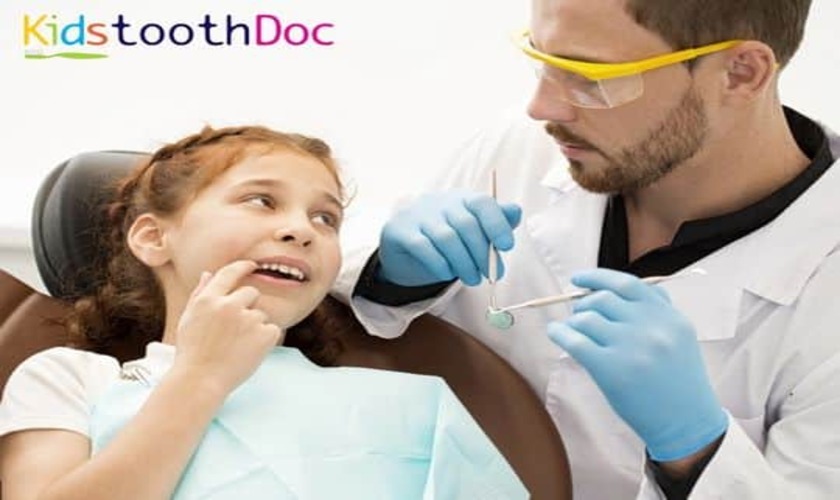
Welcome to our latest blog post, where we explore the importance of early childhood dental care for ensuring lifelong oral health. As parents or caregivers, you want to do everything possible to keep your child healthy and happy – and that includes their teeth! In this post, we’ll take a closer look at why it’s crucial to start caring for your child’s teeth from an early age and how doing so can benefit them in the long run. So let’s dive in!
The importance of early childhood dental care
Good oral health is essential to overall health and well-being. Yet, many children do not receive the dental care they need to prevent problems from developing. According to the Centers for Disease Control and Prevention (CDC), one in four children aged 2-5 years has at least one untreated decayed tooth.
Tooth decay is a serious problem that can lead to pain, infection, and even tooth loss. It can also affect a child’s ability to eat, speak, and concentrate in school. When left untreated, tooth decay can also lead to other serious health problems such as infections that can spread throughout the body.
The good news is that tooth decay is preventable. And one of the best ways to prevent it is by starting early with good dental care habits. That’s why it’s so important for parents to take their child to see a dentist by his or her first birthday—and continue regular visits throughout childhood.
What is Pediatric Dentistry?
Pediatric dentistry is the branch of dentistry that deals with the oral health of children from birth to adolescence. The American Academy of Pediatric Dentistry (AAPD) recommends that a child’s first dental visit should be within six months after the eruption of the first tooth, but no later than one year of age.
The goals of pediatric dentistry are to promote oral health, prevent dental disease, and provide comprehensive dental care for children. Pediatric dentists are specially trained to meet the unique needs of infants, children, and adolescents, including those with special health needs.
Pediatric dentists provide a variety of services to meet the needs of their young patients. These services include:
Preventive care: This includes routine teeth cleanings, sealants (to protect teeth from cavities), fluoride treatments (to strengthen teeth), and oral hygiene instruction.
Diagnostic care: This includes assessing a child’s risk for dental disease and identifying any existing problems. Diagnostic tests may include X-rays, examinations, and charting.
Interceptive care: This involves taking measures to prevent or correct problems that are just beginning or that could become worse over time. Interceptive treatments may include space maintainers (to keep teeth from shifting into empty spaces), orthodontic appliances (to realign teeth), and extractions (to remove primary teeth that are not erupting properly).
Common Oral Health Conditions in Children
Tooth decay is the most common chronic disease of childhood. According to the Centers for Disease Control and Prevention (CDC), over one in four children aged two to five years have at least one untreated decayed tooth.
Early childhood caries (ECC) is a preventable disease that begins when bacteria in the mouth convert sugars into acids, which break down the tooth enamel. The National Institute of Dental and Craniofacial Research (NIDCR) estimates that by age five, nearly half of all children will have had ECC.
Left untreated, ECC can lead to pain, infection, and even tooth loss. In fact, the CDC reports that children with ECC are five times more likely to end up in the hospital than kids without dental problems.
The best way to prevent ECC is through early detection and treatment. That’s why it’s so important for parents to take their child to see a dentist by their first birthday—and every six months after that.
Benefits of Early Childhood Dental Care
There are many benefits of early childhood dental care. First, it helps to prevent cavities. When children have cavities, they are more likely to have problems with their teeth later in life. Second, early childhood dental care can help to improve a child’s oral health. This is because children who receive regular dental care are less likely to develop gum disease and other oral health problems later in life. Third, early childhood dental care can help to save money. This is because the earlier a child sees a dentist, the less likely they are to need expensive dental procedures later in life. Finally, early childhood dental care can help to set a child up for success in school. This is because children who have healthy teeth and gums are more likely to do well in school and be successful in their careers.
Signs Your Child May Need Early Dental Care
If you’re like most parents, you probably wait until your child’s first tooth appears before taking them to see the dentist. However, dental care for children begins long before that first tooth erupts. In fact, the American Academy of Pediatric Dentistry (AAPD) recommends that children see a dentist by their first birthday.
Unfortunately, many parents are unaware of the importance of early childhood dental care. As a result, their children may not see a dentist until they have a problem with their teeth. By then, it may be too late to prevent serious oral health problems.
Here are some signs that your child may need early dental care:
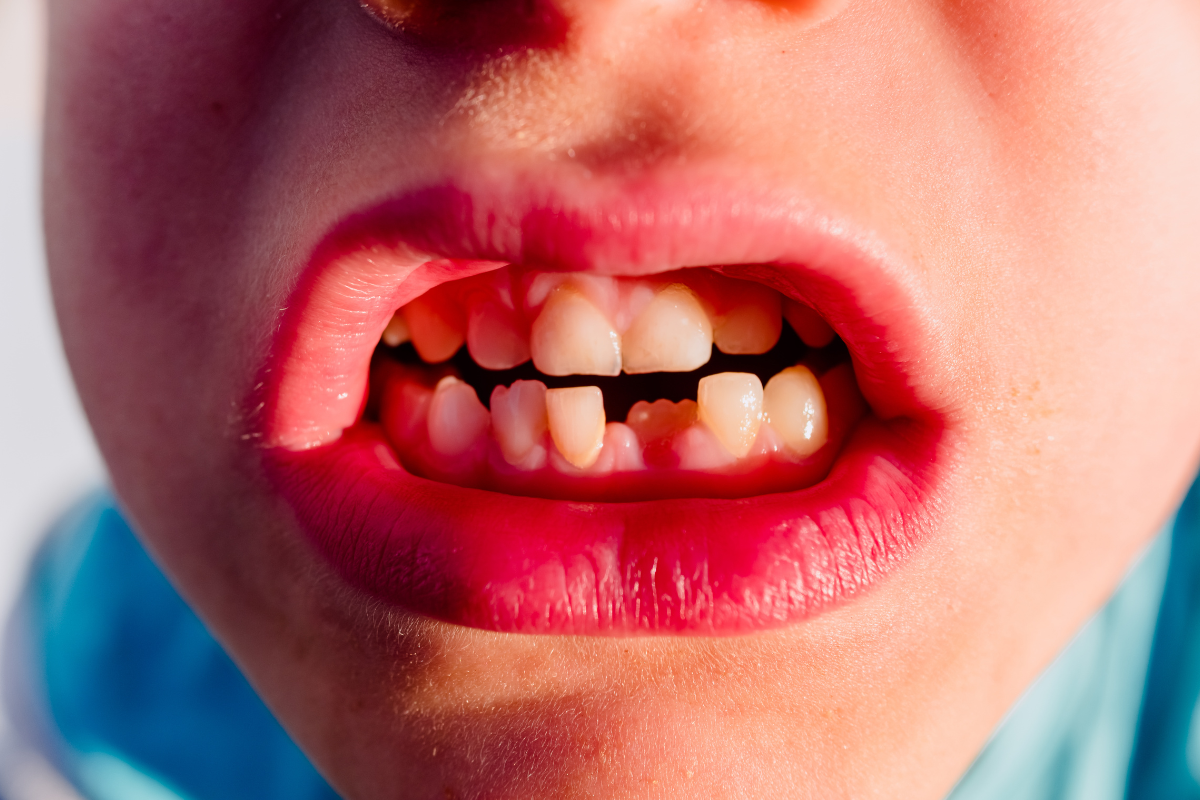
- Your child’s teeth are yellow or stained.
- Your child is drooling more than usual.
- Your child is having trouble chewing or swallowing.
- Your child is irritable or has difficulty sleeping.
These are just a few of the signs that your child may need early dental care. If you notice any of these signs, be sure to take your child to see a dentist as soon as possible. Early childhood dental care is crucial for lifelong oral health!
Preventive Measures You Can Take to Protect Your Child’s Oral Health
There are many things you can do as a parent to help ensure your child’s oral health is protected. First and foremost, it is important to instill good oral hygiene habits in your child from an early age. This means teaching them to brush their teeth twice a day with fluoride toothpaste, floss daily, and eat a healthy diet. You should also take them for regular dental checkups and cleanings so that any problems can be caught early and treated accordingly.
In addition to good oral hygiene habits, there are some preventive measures you can take to further protect your child’s oral health. For example, if your child is at high risk for cavities, your dentist may recommend sealants or fluoride treatments. If your child grinds their teeth at night, they may need to wear a mouthguard. And if you are concerned about your child using tobacco products, you can talk to your dentist about ways to help them quit.
By taking these preventive measures, you can help ensure your child’s smile lasts a lifetime.
How Regular Checkups with a Pediatric Dentist Help with Lifelong Oral Health
Regular checkups with a pediatric dentist are crucial for lifelong oral health. Here’s why:
- Pediatric dentists are experts in children’s dental care. They understand the unique needs of growing teeth and can provide the best possible care for your child.
- Regular checkups allow the pediatric dentist to detect problems early and provide prompt treatment. This can prevent more serious problems down the road.
- Good oral health habits start early. Pediatric dentists can help you instill good habits in your child that will last a lifetime.
- Dental problems can affect overall health. Pediatric dentists can help identify and treat dental problems that may be linked to other health issues.
- Regular checkups are an investment in your child’s future. A lifetime of good oral health starts with early childhood dental care!
Conclusion
Early childhood dental care is a critical factor in maintaining lifelong oral health. It sets the foundation for healthy teeth and gums, helps to prevent cavities and other dental problems, and starts children on the path to understanding proper brushing and flossing techniques. With regular visits to the dentist at an early age, your child will be well-equipped with knowledge of good oral hygiene habits that they can carry throughout their life. Investing in early childhood dental care now will pay off dividends down the road.
FAQs
Q. What are the benefits of early childhood dental care?
A. Early childhood dental care can help prevent cavities, tooth decay, and gum disease. It can also help your child develop healthy oral habits that will last a lifetime.
Q. When should my child start seeing a dentist?
A. The American Academy of Pediatrics recommends that children see a dentist by their first birthday. However, you should bring your child in for a dental check-up as soon as you notice any signs of tooth decay or other oral problems.
Q. How can I ensure my child gets the best possible dental care?
A. You can start by making sure your child brushes their teeth twice a day with fluoride toothpaste and flosses daily. You should also take them to the dentist regularly for check-ups and cleanings. In addition, you should teach them healthy eating habits and make sure they avoid sugary drinks and snacks.


New Patients & Emergency Appointments Welcome!
