
Board-Certified
Pediatric Dentists
How to Brush Your Child’s Teeth


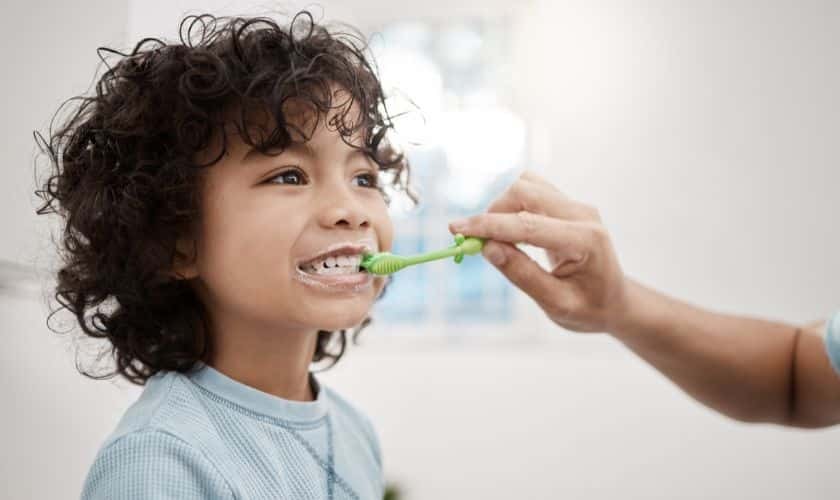
Establishing good dental habits early is essential for your child’s oral health. Brushing your child’s teeth is crucial to their daily routine and sets the foundation for a lifetime of healthy smiles. This guide will walk you through brushing your child’s teeth effectively, ensuring their dental hygiene is top-notch.
Why Brushing Your Child’s Teeth is Important
Preventing Cavities and Tooth Decay
Tooth decay is one of the most common chronic diseases in children. According to the Centers for Disease Control and Prevention (CDC), about 20% of children aged 5 to 11 years have at least one untreated decayed tooth. Regular brushing helps remove plaque, a sticky film of bacteria that forms on teeth, leading to cavities and gum disease.
Promoting Overall Health
Good oral hygiene is linked to overall health. Poor dental care can lead to infections and has been connected to other health issues such as heart disease and diabetes. By brushing your child’s teeth properly, you contribute to their overall well-being.
When to Start Brushing Your Child’s Teeth
Infants
It’s never too early to start caring for your child’s gums. Begin cleaning your baby’s mouth during the first few days after birth by wiping the gums with a clean, moist gauze pad or washcloth.
First Tooth
Start brushing your child’s teeth as soon as the first tooth appears, usually around six months old. Use a small, soft-bristled toothbrush with a smear of fluoride toothpaste (about the size of a grain of rice).
Toddlers and Young Children
From age 3, you can increase the amount of fluoride toothpaste to a pea-sized amount. Continue to assist and supervise brushing until your child is at least 7 or 8 years old to ensure they are brushing properly.
How to Brush Your Child’s Teeth
Step-by-Step Instructions
-
Choose the Right Toothbrush and Toothpaste
- Use a toothbrush with soft bristles and a small head designed for children.
- Select a fluoride toothpaste recommended for children. Fluoride helps strengthen enamel and prevent decay.
-
Positioning Your Child
- For infants, cradle your baby’s head with one hand while brushing with the other.
- For toddlers and older children, have them sit or stand in front of you, tilting their head slightly back for better access.
-
Brushing Technique
- Front Teeth: Place the toothbrush at a 45-degree angle to the gums. Gently move the brush back and forth in short (tooth-wide) strokes.
- Back Teeth: Use the same angle and technique, making sure to brush all surfaces – the outer, inner, and chewing surfaces.
- Tongue: Gently brush the tongue to remove bacteria and keep breath fresh.
-
Duration
- Brush for at least two minutes, ensuring all areas are cleaned.
-
Rinsing
- Teach your child to spit out the toothpaste after brushing. Rinsing with a small amount of water is optional but not necessary.
-
Flossing
- Begin flossing your child’s teeth once they have two teeth that touch. Use child-friendly flossers for easier handling.
Tips for Making Brushing Fun
Use a Timer or App
There are many fun timers and apps designed to help children brush for the full two minutes. These can make brushing more engaging and turn it into a game.
Play Music
Playing a favorite song that lasts about two minutes can make brushing time enjoyable. Your child can brush along to the rhythm.
Let Them Choose
Allow your child to pick out their toothbrush and toothpaste. Having a favorite character or color can make them more excited about brushing.
Create a Routine
Consistency is key. Brush at the same times each day, such as after breakfast and before bed, to build a routine.
Common Challenges and Solutions
Resistance to Brushing
Some children resist brushing their teeth. If this happens, try brushing together to model good behavior or use a reward system to encourage cooperation.
Teething
Teething can make gums sensitive. During these times, use a soft-bristled brush and be gentle. Cold teething rings can also provide relief before brushing.
Travel
When traveling, maintain your child’s brushing routine by packing their toothbrush and toothpaste. Portable, foldable toothbrushes are convenient for trips.
FAQs About Children’s Oral Hygiene
How often should my child brush their teeth?
Children should brush their teeth twice a day – once in the morning and once before bed.
What if my child swallows toothpaste?
If your child swallows a small amount of toothpaste occasionally, it’s generally safe. However, monitor the amount of toothpaste used and teach them to spit it out to avoid excessive fluoride intake.
When should my child visit the dentist?
The American Academy of Pediatric Dentistry recommends that children visit a dentist by their first birthday or within six months of their first tooth coming in.
Conclusion
Brushing your child’s teeth is an essential habit that contributes to their overall health and sets the stage for a lifetime of good oral hygiene. By starting early, using the right techniques, and making brushing a fun part of their routine, you can help ensure your child’s smile stays bright and healthy.


New Patients & Emergency Appointments Welcome!
