
Board-Certified
Pediatric Dentists
Protect Your Baby’s Smile: A Guide to Preventing Baby Bottle Tooth Decay


As a parent, you want the best for your little one, including their oral health. However, one common issue that can affect babies and toddlers is baby bottle tooth decay. This condition, also known as early childhood caries, occurs when a baby’s teeth are frequently exposed to sugary liquids, leading to tooth decay. Understanding how to prevent this can help you protect your child’s smile from an early age.
What is Baby Bottle Tooth Decay?
Baby bottle tooth decay typically affects a child’s upper front teeth but can also impact other teeth. It is caused by prolonged exposure to drinks containing sugar, such as milk, formula, fruit juice, or sweetened water. Bacteria in the mouth feed on these sugars, producing acids that attack the enamel of the teeth, leading to decay.
Key Facts About Baby Bottle Tooth Decay:
- According to the American Dental Association (ADA), early childhood caries is the most common chronic disease in children aged 6 to 19.
- The Centers for Disease Control and Prevention (CDC) reports that 1 in 5 children aged 5 to 11 years have at least one untreated decayed tooth.
Signs and Symptoms to Watch For
It’s essential to recognize the signs of baby bottle tooth decay early to prevent further damage. Some symptoms include:
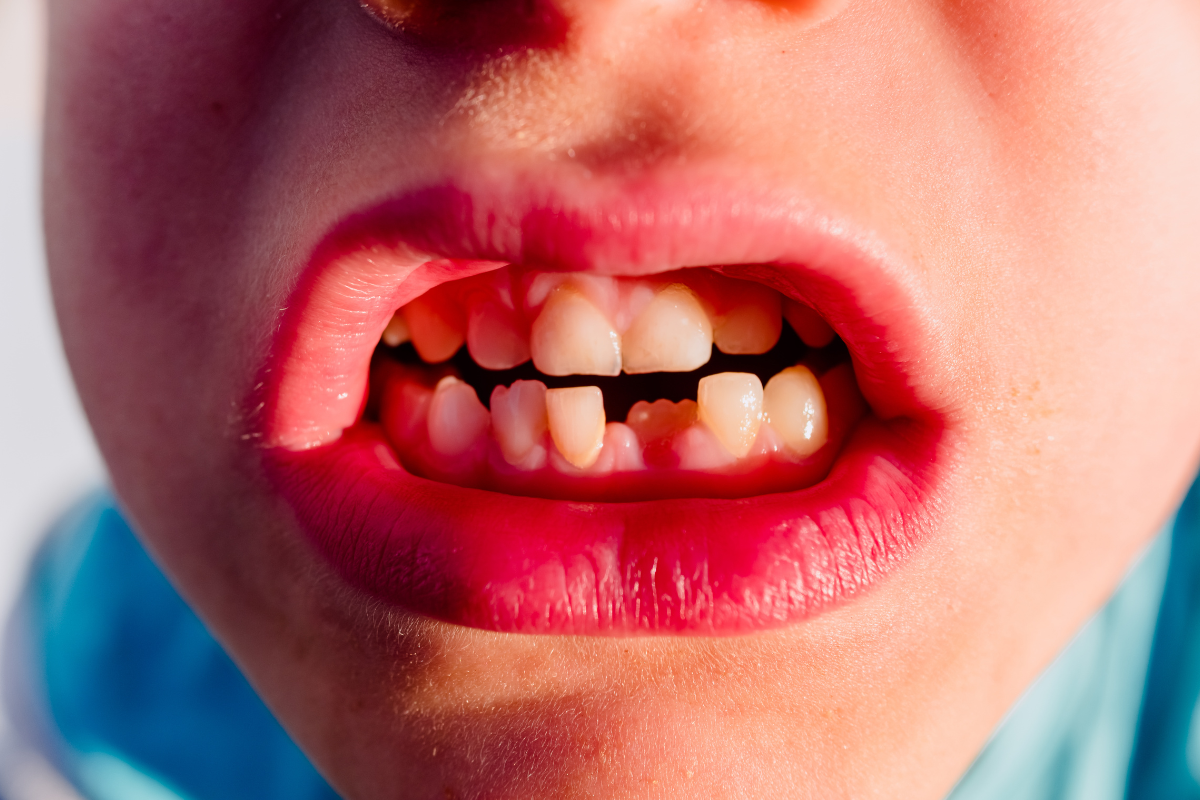
- White spots on the surface of the teeth, which may be an early sign of decay.
- Brown or black spots on the teeth indicate more advanced decay.
- Swollen gums or signs of infection.
- Discomfort or pain in the mouth, which can make your baby fussy.
If you notice any of these symptoms, it’s crucial to visit your pediatric dentist in Englewood promptly for a check-up and appropriate treatment.
How to Prevent Baby Bottle Tooth Decay
Prevention is always better than cure, especially when it comes to your child’s dental health. Here are some tips to keep your baby’s teeth healthy:
1. Avoid Prolonged Exposure to Sugary Liquids
- Never allow your baby to sleep with a bottle containing anything other than water. Milk, formula, and juices contain sugars that can cling to your baby’s teeth, leading to decay.
- If your baby needs a bottle at bedtime, try to transition to a water-filled bottle as soon as possible.
2. Clean Your Baby’s Gums and Teeth
- Even before your baby’s teeth emerge, clean their gums with a soft, damp cloth after feedings. Once the teeth appear, use a soft-bristled toothbrush designed for infants to gently clean their teeth twice a day.
- Introduce a tiny smear of fluoride toothpaste (about the size of a grain of rice) as soon as the first tooth erupts.
3. Maintain Regular Dental Visits
- Schedule your baby’s first dental visit by their first birthday or within six months after the first tooth appears. Regular check-ups help catch any early signs of decay and ensure proper dental development.
4. Encourage a Healthy Diet
- A balanced diet plays a significant role in maintaining healthy teeth. Limit sugary snacks and drinks, and encourage healthy alternatives like fruits, vegetables, and water.
- Avoid dipping pacifiers in sugar, honey, or any sweetened liquids, as this can also contribute to tooth decay.
5. Teach Proper Bottle Use
- Hold the bottle for your baby during feedings and do not let them carry the bottle around for prolonged periods. This reduces the risk of their teeth being in constant contact with sugary liquids.
The Role of Fluoride in Preventing Tooth Decay
Fluoride is a natural mineral that strengthens tooth enamel, making it more resistant to decay. It’s an essential part of preventing baby bottle tooth decay. Here’s how you can incorporate fluoride into your baby’s oral care routine:
- Fluoridated Water: Check if your local tap water is fluoridated. If it is, using it to prepare your baby’s bottle can help protect their teeth.
- Fluoride Toothpaste: As mentioned earlier, introduce a small amount of fluoride toothpaste when brushing your baby’s teeth.
- Fluoride Treatments: During your baby’s dental visits, ask your pediatric dentist about professional fluoride treatments if necessary.
When to Seek Treatment for Baby Bottle Tooth Decay
If you suspect your baby has tooth decay, it’s essential to consult with your pediatric dentist immediately. Treatment for baby bottle tooth decay can vary depending on the severity:
- Fluoride Treatments: For early signs of decay, fluoride treatments can help remineralize the teeth and reverse damage.
- Dental Fillings or Crowns: In cases of more advanced decay, your dentist may recommend fillings or crowns to restore the affected teeth.
- Preventive Care: Your dentist will also guide you on improving your baby’s oral hygiene routine to prevent further decay.
The Long-Term Impact of Baby Bottle Tooth Decay
Untreated tooth decay in babies can lead to several long-term issues, including:
- Pain and Discomfort: Decay can cause significant pain, making it difficult for your baby to eat, sleep, and develop properly.
- Speech Development: Healthy teeth are crucial for speech development. Tooth decay can impair your child’s ability to speak clearly.
- Adult Teeth: Decay in baby teeth can also affect the development of adult teeth, potentially leading to misalignment or other dental issues.
Conclusion: A Healthy Smile Starts Early
Protecting your baby’s teeth from decay is an essential part of their overall health and well-being. By understanding the causes of baby bottle tooth decay and taking preventive measures, you can help ensure your child’s smile remains bright and healthy.
Remember, your pediatric dentist in Englewood is here to support you every step of the way. Schedule regular dental check-ups, maintain a good oral hygiene routine, and make healthy dietary choices to give your baby the best start to a lifetime of healthy smiles.

New Patients & Emergency Appointments Welcome!
