
Board-Certified
Pediatric Dentists
At What Age Does a Pacifier Affect Teeth?


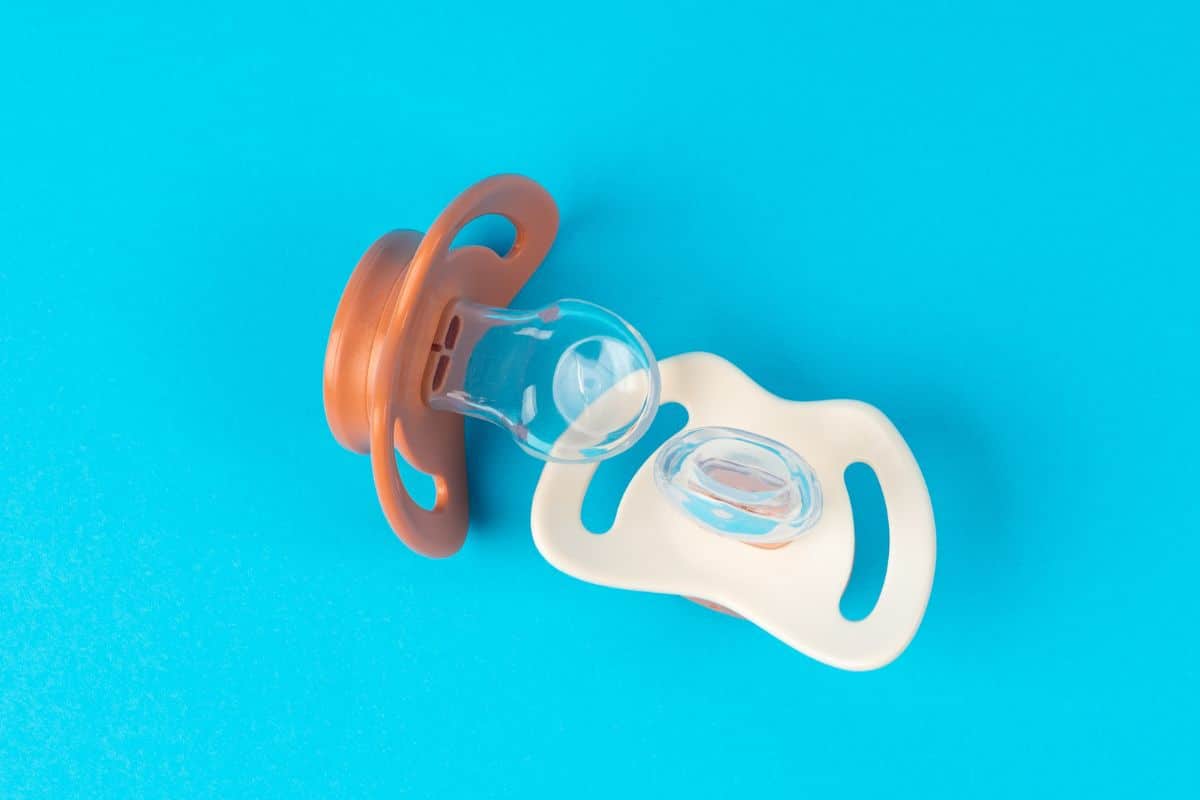
Pacifiers can be a soothing tool for infants and toddlers, offering comfort and security. However, prolonged use of a pacifier may negatively impact dental development, especially when used beyond a certain age. Parents often wonder: at what age does a pacifier affect teeth? In this blog, we will explore how pacifiers can influence dental health, the potential risks of long-term use, and when it’s best to start weaning your child from the pacifier.
For parents in the Englewood area, seeking advice from a Pediatric Dentist in Englewood can help guide you through this important transition.
How Pacifiers Affect Dental Development
Pacifiers, when used during infancy, typically do not cause immediate harm to a child’s dental health. However, the longer a child uses a pacifier, the more likely it can impact the development of teeth and the structure of the mouth.
Natural Sucking Reflex
Babies are born with a natural sucking reflex, which is necessary for feeding and self-soothing. Pacifiers can help fulfill this need, and in the early months, they pose no risk to dental health. Pacifiers can have positive effects during infancy, such as reducing the risk of sudden infant death syndrome (SIDS).
However, as children grow older, continued pacifier use can begin to interfere with the proper alignment of their teeth and jaw.
At What Age Does a Pacifier Start Affecting Teeth?
According to the American Dental Association (ADA), pacifier use can start affecting the teeth as early as age 2. Most pediatric dentists recommend that parents begin weaning their child from the pacifier around this time to prevent future dental problems. By age 3, prolonged use may lead to noticeable issues such as:
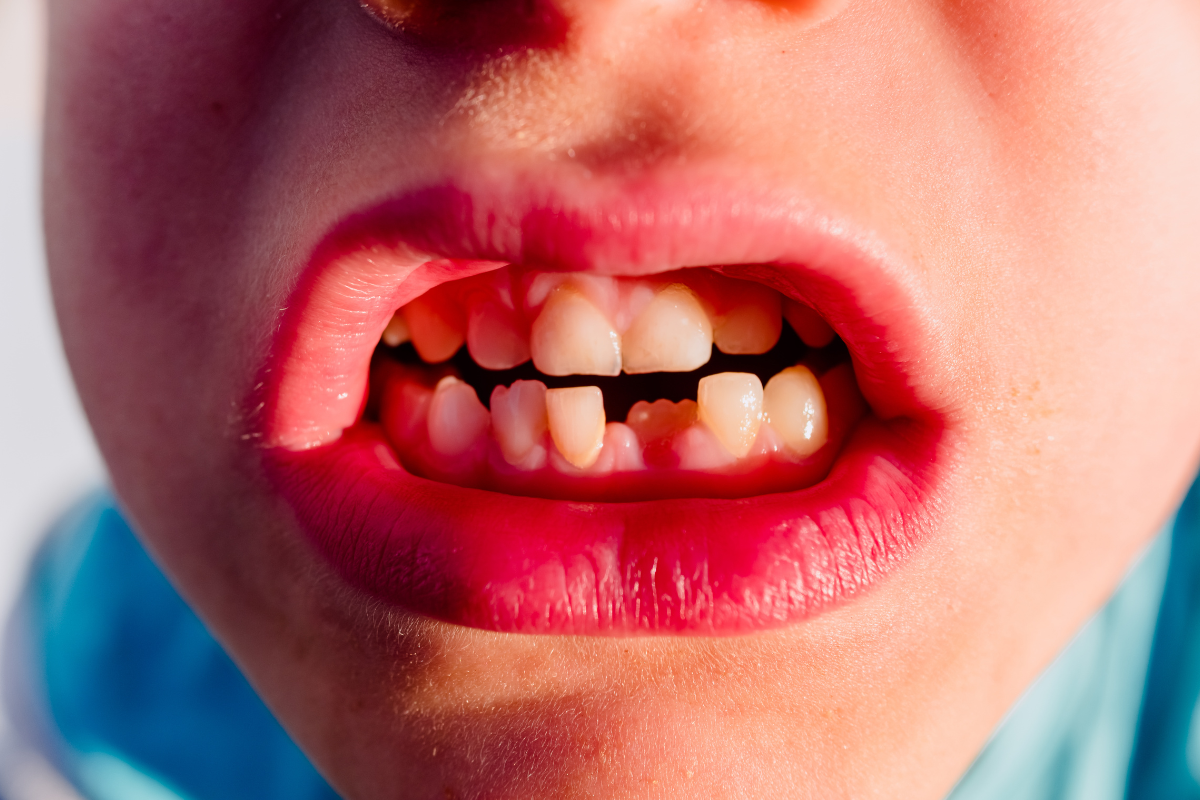
- Open bite: A condition where the front teeth do not meet when the mouth is closed, leading to difficulties with biting and chewing.
- Crossbite: An abnormal bite where the upper teeth fall inside the lower teeth when the mouth is closed.
- Overbite: A condition where the upper teeth protrude significantly over the lower teeth.
- Speech problems: Prolonged pacifier use can interfere with speech development, as it may alter the positioning of the tongue and teeth, affecting pronunciation.
If you’re concerned about how pacifier use may be affecting your child’s teeth, consulting a Pediatric Dentist in Englewood can provide a personalized evaluation and plan.
The Impact of Long-Term Pacifier Use
Dental Malocclusions
One of the most common dental issues resulting from long-term pacifier use is dental malocclusion. This term refers to any misalignment of the teeth and bite. Research has shown that children who use pacifiers beyond age 2 are more likely to develop malocclusions that can require orthodontic treatment later in life.
In a study published in the Journal of the American Dental Association, it was found that children who used a pacifier beyond age 3 had a significantly higher chance of developing anterior open bites and posterior crossbites, which are types of dental malocclusion.
Jaw Development
Extended pacifier use can also affect the growth of the jaw. The constant sucking motion pushes the upper teeth outward and the lower teeth inward, altering the natural shape of the jaw. Over time, this can lead to more complex orthodontic issues that may need correction.
Speech Development
Speech development can also be delayed due to pacifier use. The repetitive sucking motion can hinder the correct positioning of the tongue, which is essential for forming certain sounds and words. If a child relies heavily on a pacifier, they may experience difficulty in speech articulation.
When to Start Weaning from the Pacifier
Most experts recommend beginning the weaning process between ages 2 and 4. By this time, children have generally outgrown the need for a pacifier for comfort, and transitioning away from it can help avoid dental issues in the future.
Tips for Weaning Your Child
- Gradual Reduction: Reduce pacifier use gradually, starting by limiting its use to naptime and bedtime before removing it altogether.
- Positive Reinforcement: Encourage your child with positive reinforcement when they go without the pacifier. This could include small rewards or praise.
- Substitute with Comfort Items: Offer your child a different comfort item, like a stuffed toy or blanket, to replace the pacifier.
- Distraction: Keep your child occupied with other activities during times when they would typically use the pacifier.
Your Pediatric Dentist in Englewood can offer additional advice and support tailored to your child’s needs during the weaning process.
Importance of Early Dental Care
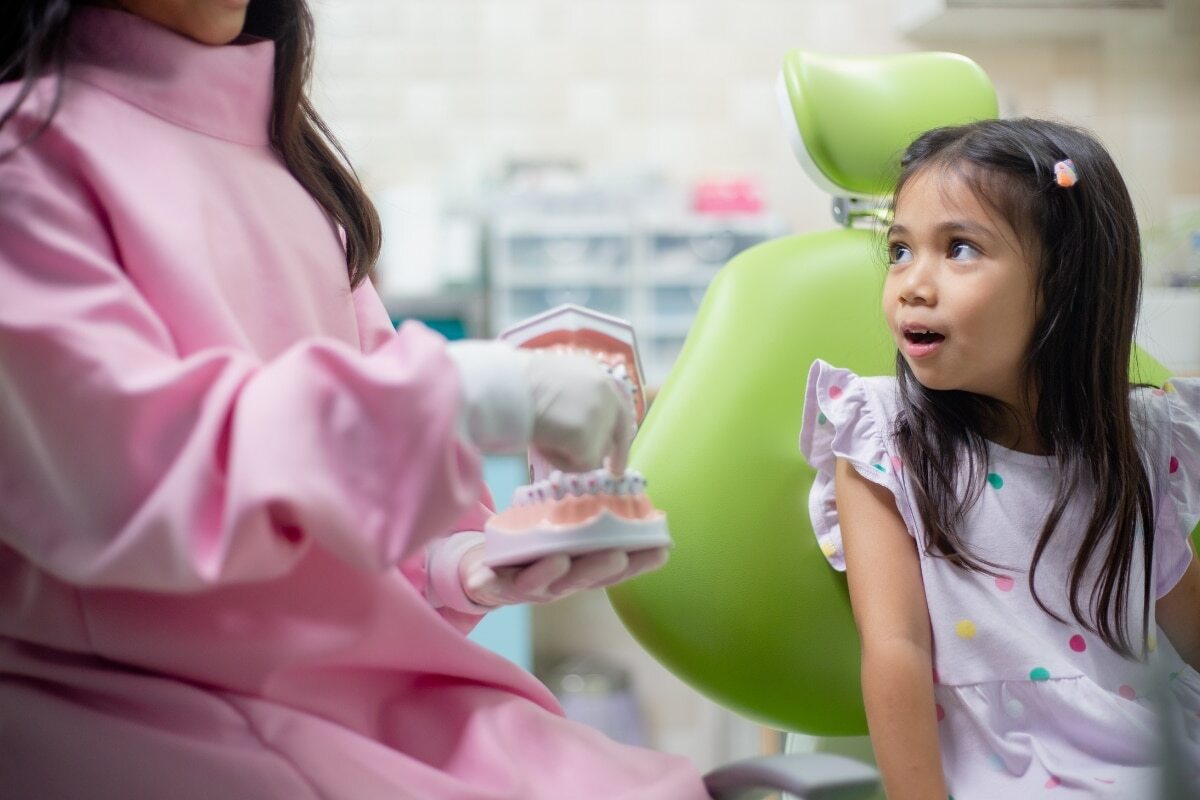
Introducing your child to a Pediatric Dentist in Englewood early on in life is essential for maintaining good oral health. The American Academy of Pediatric Dentistry (AAPD) recommends that children see a dentist by their first birthday or within six months of getting their first tooth. This allows the dentist to monitor tooth development and provide guidance on habits like pacifier use and thumb sucking.
Regular Dental Visits
Routine dental checkups will help detect any early signs of dental problems caused by pacifier use. Your child’s Pediatric Dentist in Englewood will monitor the alignment of their teeth and provide recommendations to ensure their smile stays healthy as they grow.
Conclusion: When Is It Time to Say Goodbye to the Pacifier?
While pacifiers serve a valuable purpose during a baby’s first year, prolonged use can lead to dental problems that affect the alignment of teeth and the development of the jaw. Most experts agree that pacifier use should be phased out by age 3 to avoid these issues. If you’re concerned about the effects of pacifier use on your child’s teeth, visit a Pediatric Dentist in Englewood for personalized guidance on maintaining your child’s oral health.

New Patients & Emergency Appointments Welcome!
