
Board-Certified
Pediatric Dentists
How to Care for Your Newborn Baby Teeth


Welcoming a newborn into your family comes with endless joys and, of course, a lot of questions. One of the most common questions parents ask is, “How do I care for my baby’s first teeth?“
Though baby teeth are temporary, they play a key role in your child’s development and set the foundation for their lifelong dental health. In fact, according to the National Center for Health Statistics (CDC) 85.9% of children aged 2–17 years have had a dental visit in the past year.
In this blog, we will guide how new parents can care for their newborn’s baby teeth, offering expert baby teeth care tips, teething advice, and information on when it’s time to see a pediatric dentist in Englewood, Colorado.
Table of Contents:
- Understanding the Importance of Baby Teeth
- When Do Baby Teeth Appear?
- How to Care for Your Baby’s Teeth: Tips and Techniques
- Teething: Common Signs and Relief Tips
- When to Schedule Your Baby’s First Dental Visit
- Conclusion
- FAQs of Newborn Baby Teeth
Understanding the Importance of Baby Teeth
Baby teeth, also known as primary teeth, are more than just place-holders for adult teeth. In fact, they play several important roles in your baby’s overall growth and development. These tiny teeth help your baby chew food, form sounds to speak, and even help with facial appearance.
Another crucial role of baby teeth is that they act as guides for the eruption of permanent teeth. Without healthy baby teeth, your child may experience misalignment of permanent teeth or dental problems down the road.
Caring for baby teeth is just as important as caring for adult teeth because oral hygiene practices developed early in life can carry over into adulthood, reducing the risk of cavities and other dental issues.
When Do Baby Teeth Appear?
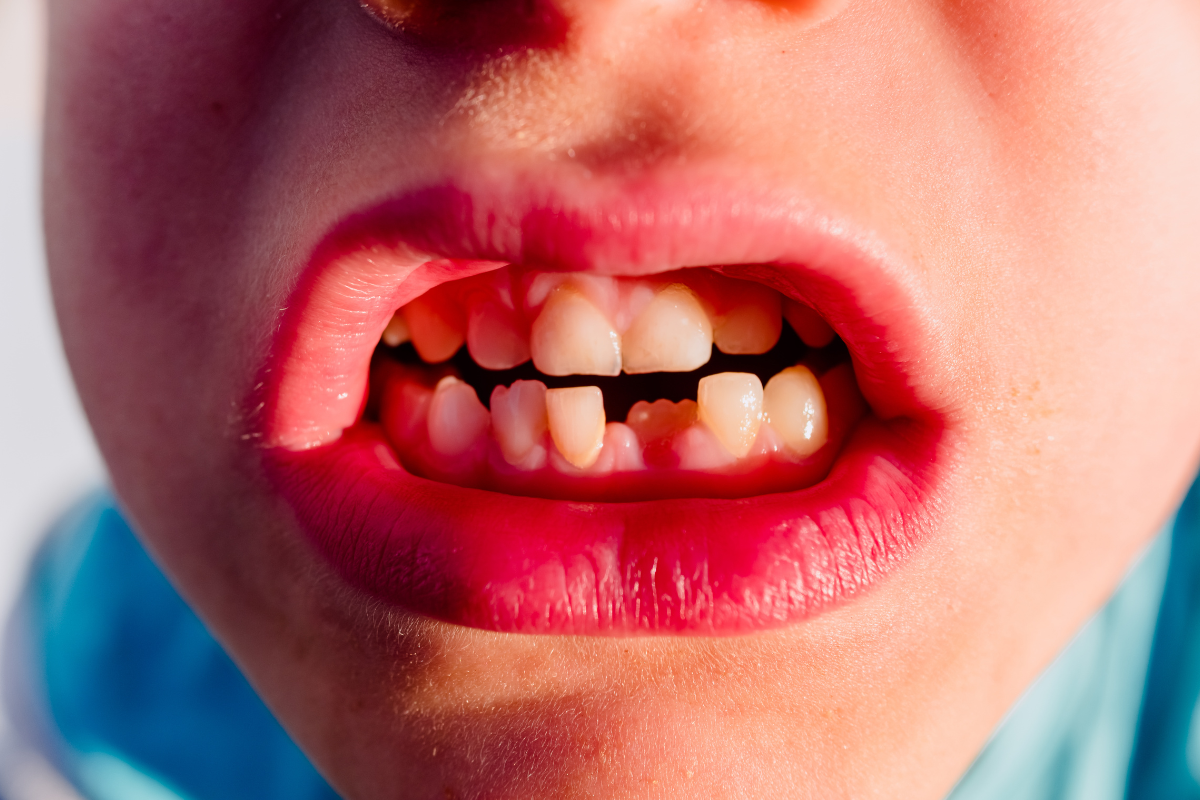
Most babies are born with a full set of 20 primary teeth already formed beneath the gums. The first tooth typically emerges between the ages of 6 and 12 months, often the lower front teeth.
However, each baby’s timeline can vary. Some infants may get their first tooth as early as 4 months, while others may not see one until closer to their first birthday.By age 3, most children have a complete set of 20 primary teeth. These teeth will continue to appear over the next couple of years, with the molars usually coming in last.
Understanding the teething timeline can help you anticipate when your baby’s teeth will come in and prepare for any discomfort they may experience.
How to Care for Your Baby’s Teeth: Tips and Techniques
When it comes to newborn baby teeth, the goal is to start good oral hygiene habits early.
Here’s a breakdown of essential tips for taking care of your baby’s first teeth:
1. Clean Your Baby’s Gums Early:
Even before your baby’s first tooth appears, it’s a good idea to start cleaning their gums after feeding. You can use a soft, damp washcloth or gauze pad to gently wipe their gums.
This helps remove any milk residue and helps your baby get used to oral hygiene.
2. Start Brushing as Soon as Teeth Appear:
Once your baby’s first tooth comes in, it’s time to introduce a toothbrush. Choose one that is soft and designed for infants, with a small head that can reach all areas of your baby’s mouth.
Use a tiny amount of fluoride toothpaste — just a smear, about the size of a grain of rice. Gently brush in small, circular motions.
3. Avoid Sugary Drinks and Foods:
While breast milk and formula are essential for your baby’s nutrition, be cautious of sugary drinks such as juice, which can contribute to cavities.
If you do offer juice, ensure it’s diluted and give it during meal times, not before bedtime. Avoid sugary snacks and stick to nutritious foods like fruits and vegetables once your baby begins eating solids.
4. Transition to a Cup:
By around 6 months, you can begin introducing a sippy cup.
This helps your baby transition away from a bottle and reduces the risk of bottle decay (cavities caused by milk or juice lingering on the teeth).
5. Visit a Pediatric Dentist:
As mentioned earlier, schedule your baby’s first dental visit by their first birthday or within six months of the eruption of their first tooth.
The pediatric dentist will assess your baby’s oral health and offer guidance for the future.
Teething: Common Signs and Relief Tips
Teething can be a challenging time for both babies and parents. During this period, your baby’s gums may become swollen and tender, leading to discomfort.
Common Signs of Teething:
- Excessive drooling
- Chewing on fingers or toys
- Irritability or fussiness
- Swollen or red gums
- Difficulty sleeping
Teething Relief Tips:
- Cold Therapy:
Place a clean teething ring in the refrigerator (not the freezer) to cool it down. A chilled washcloth can also help soothe sore gums.
- Massage:
Gently rub your baby’s gums with a clean finger to provide relief from the pressure.
- Teething Toys:
Provide teething rings or soft toys specifically designed for babies to gnaw on. Make sure the toys are safe and free from small parts.
- Over-the-Counter Remedies:
If necessary, consult with your pediatric dentist or pediatrician about the use of teething gels or over-the-counter pain relievers like infant acetaminophen.
Remember, if your baby seems unusually irritable or you have concerns about their teething process, it’s always a good idea to consult with your pediatric dentist in Englewood.
When to Schedule Your Baby’s First Dental Visit
According to the American Academy of Pediatric Dentistry (AAPD), the ideal time for a baby’s first dental visit is when their first tooth emerges, or by the age of one. Early visits help identify potential issues such as teething troubles, developmental delays, or even cavities that could become a problem later on.
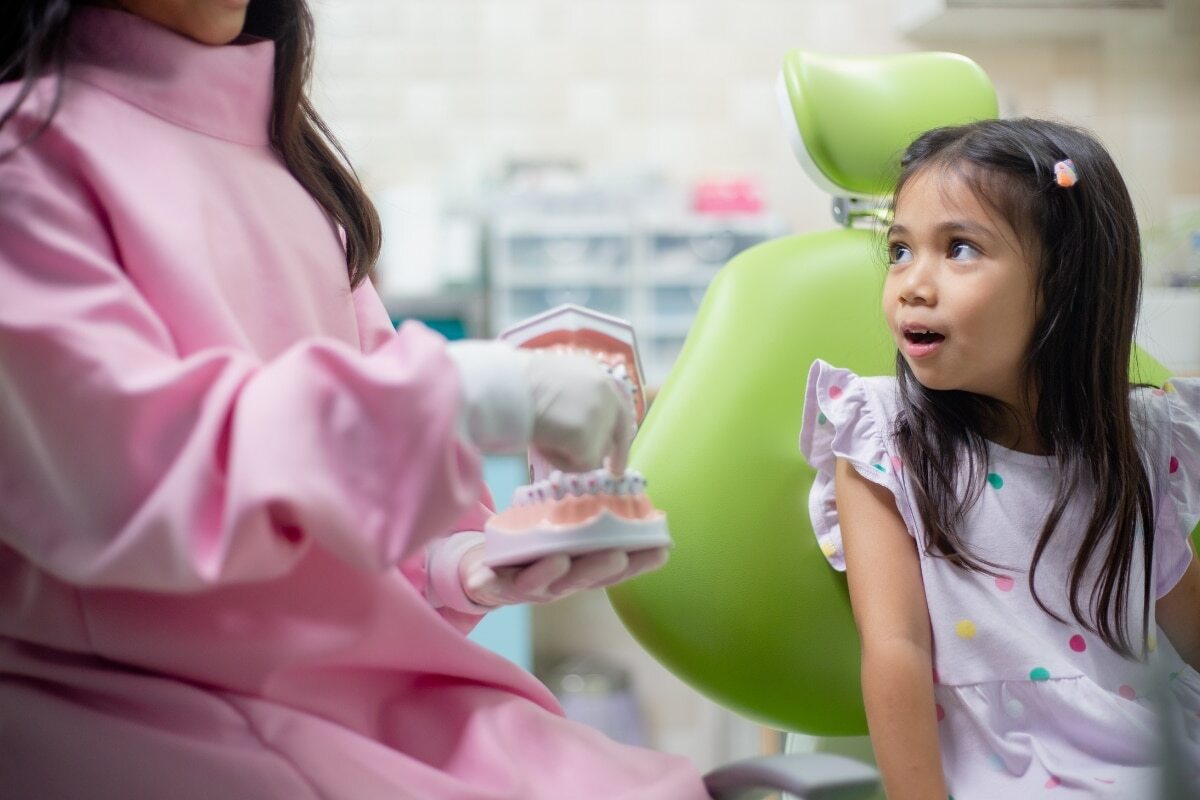
During this first visit, the pediatric dentist will check your baby’s teeth and gums, offer preventive tips, and discuss the next steps in caring for your baby’s growing smile. They will also answer any questions you might have about oral care, teething, and what to expect as your child grows.
Conclusion
Caring for your newborn’s baby teeth may seem like a small task, but it plays an essential role in your child’s overall health and well-being. By establishing good oral hygiene practices early on, you can help prevent future dental problems and give your child a healthy, happy smile. As your baby goes through the teething process, remember that it’s normal for them to feel discomfort. With a little patience and the right techniques, you can make this process more manageable.
If you are looking for a trusted pediatric dentist in Englewood? Don’t forget to visit Rocky Mountain Kids Dentistry.
Schedule your baby’s first dental visit in Englewood, Colorado today! Our team specializes in infant and children’s dental care, ensuring your baby’s teeth are off to a healthy start.
FAQs of Newborn Baby Teeth
1. When should I start brushing my baby’s teeth?
You should begin brushing your baby’s teeth as soon as their first tooth appears, using a soft-bristled brush and a small amount of fluoride toothpaste.
2. Can I give my baby a bottle at night?
It’s best to avoid giving your baby a bottle at night, as this can lead to milk pooling in their mouth and causing decay. If your baby needs a bottle for comfort, make sure to clean their teeth afterward.
3. How can I tell if my baby is teething?
Common teething signs include drooling, swollen gums, fussiness, and the baby chewing on objects or their fingers. If these symptoms occur along with a tooth emerging, it’s likely your baby is teething.
4. What should I do if my baby seems to be in pain from teething?
Use a cold teething ring or a chilled washcloth to relieve their discomfort. Gentle gum massages and over-the-counter remedies (approved by your pediatrician) can also help.
5. Is it really necessary to see a pediatric dentist by my baby’s first birthday?
Yes, scheduling your baby’s first dental visit by their first birthday is important. Early visits can help prevent future problems, provide a baseline for your child’s oral health, and help you get professional advice on teething and oral care.

New Patients & Emergency Appointments Welcome!
