
Board-Certified
Pediatric Dentists
How to Handle Kids’ Playground Tooth Injuries


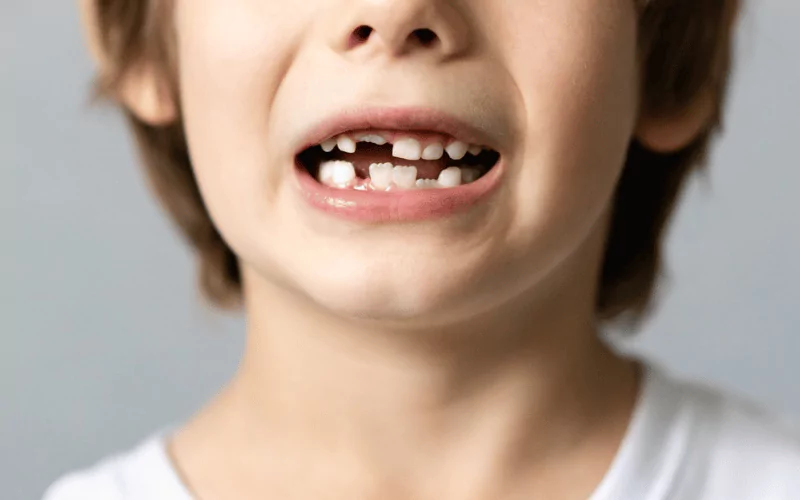
Playgrounds are a wonderful place for children to develop social skills, explore new activities, and burn off some energy. However, they can also be a hotspot for accidents. Kid playground tooth injuries are common occurrences, and as a parent, it’s essential to know how to respond quickly and effectively.
According to BMC Oral Health, 5% of preschoolers and 20–25% of school-age children experience dental injuries. Whether your child has chipped a tooth, knocked it loose, or experienced a more serious injury, knowing how to handle a kid tooth injury can make all the difference in preserving their oral health.
In this blog, we’ll cover everything you need to know about from immediate first aid steps to when to visit a pediatric dentist. Read on to ensure you’re prepared in case of an unexpected accident on the playground.
Table of Contents
- What Are Common Playground Tooth Injuries in Kids?
- First Aid for Kid Playground Tooth Injury: Immediate Steps
- When to See a Pediatric Dentist for Tooth Injuries
- Preventing Tooth Injuries on the Playground
- How to Care for a Knocked-Out or Chipped Tooth
- Conclusion
- FAQs
What Are Common Playground Tooth Injuries in Kids?
Kid playground tooth injuries can occur in various ways. Kids are often running, jumping, and engaging in rough play, which increases the chances of accidents.
Here are some of the most common types of kid tooth injuries that can happen on the playground:
- Chipped Teeth:
A tooth that is cracked or broken. While not always severe, a chipped tooth can still cause pain and should be addressed.
- Knocked-Out Teeth (Avulsed Teeth):
A tooth that has been completely displaced from the mouth due to impact. Immediate care is required to maximize the chances of saving the tooth.
- Loose Teeth:
A tooth that has become loose but not fully dislodged. This often happens with children who have adult teeth growing in.
- Fractured Teeth:
A more severe break that can cause damage to the nerve or root, leading to additional complications if not treated properly.
Understanding these injuries will help you respond more effectively and know when professional care is needed.
First Aid for Kid Playground Tooth Injury: Immediate Steps
When your child experiences a kid playground tooth injury, staying calm is crucial. The first few moments can determine the severity of the damage and whether or not the tooth can be saved.
Here’s what to do if your child suffers a kid tooth injury:
1. Assess the Injury:
- If your child’s tooth is chipped, check if there are any sharp edges that could harm their mouth.
- For a knocked-out tooth, try to locate the tooth and handle it carefully by the crown (not the root).
- If the tooth is loose or fractured, encourage your child to avoid touching or wiggling it.
2. Stop the Bleeding:
- For a bleeding mouth, apply gentle pressure with a clean cloth or gauze to the area.
- If bleeding continues for more than 10 minutes, seek immediate medical attention.
3. Control Pain:
- Apply a cold compress to reduce swelling and ease pain.
- Over-the-counter pain relief, such as children’s ibuprofen, can help, but consult your pediatric dentist before administering any medication.
4. Keep the Tooth Clean:
- If the tooth has been knocked out, rinse it gently with water (never scrub or use soap) and place it back into the socket if possible.
- If reimplantation isn’t possible, store the tooth in a glass of milk or your child’s saliva.
5. Visit a Pediatric Dentist:
- Time is critical, especially for knocked-out teeth. Contact your nearest pediatric dentist immediately to schedule an appointment.
When to See a Pediatric Dentist for Tooth Injuries
If your child has experienced any of the following symptoms after a playground tooth injury, it’s important to visit a pediatric dentist near you as soon as possible:
- Knocked-out tooth:
This requires prompt attention to potentially save the tooth.
- Pain or swelling:
Persistent pain or swelling after the injury may indicate nerve or root damage.
- Visible fractures:
Cracked or fractured teeth often need restorative treatment to prevent infection or long-term damage.
- Loose teeth:
In cases where a permanent tooth has become loose, a pediatric dentist will assess whether it can be saved or if further treatment is necessary.
Preventing Tooth Injuries on the Playground
While kid playground tooth injuries are common, there are several preventive measures that can reduce the risk:
- Encourage Protective Gear:
For kids who play contact sports, using mouthguards can protect their teeth from any injury.
- Supervision:
Always supervise young children during outdoor play to ensure they are not engaging in risky activities.
- Safe Playground Equipment:
Ensure that the playground equipment is safe and age-appropriate. Regular checks for sharp edges or loose parts can also reduce the likelihood of injury.
- Teach Safety:
Teaching your child basic playground safety, such as not pushing or shoving other kids, can help avoid accidents.
How to Care for a Knocked-Out or Chipped Tooth
A knocked-out tooth is one of the most serious kid tooth injuries, but quick action can make a huge difference in saving the tooth.
Here’s what you need to know:
1. Knocked-Out Tooth:
- If possible, reinsert the tooth back into the socket immediately.
- If this isn’t possible, store the tooth in a clean container with milk or the child’s saliva.
- Visit a pediatric dentist immediately, ideally within 30 minutes, to have the tooth reimplanted.
2. Chipped Tooth:
- If the tooth is chipped but not causing severe pain, rinse the mouth with warm water and apply a cold compress to reduce swelling.
- If the chip is deep or causing discomfort, see a pediatric dentist for potential bonding or restoration.
Conclusion
Knowing how to handle a kid playground tooth injury can make a world of difference in the outcome of the situation. Whether it’s a chipped tooth or a knocked-out tooth, staying calm and following proper first aid steps is crucial.
If your child has experienced a kid playground tooth injury, don’t wait! Consult with a pediatric dentist in Englewood to ensure that the injury is treated properly and to avoid long-term complications.
Contact us at 720.673.9371 and visit Rocky Mountain Kids Dentistry in Englewood, Colorado, our team is here to help your child recover quickly and ensure their smile stays healthy for years to come.
Frequently Asked Questions Related to Kids’ Tooth Injuries
1. What should I do if my child knocks out a tooth on the playground?
Immediately visit a pediatric dentist. If possible, reinsert the tooth into the socket or store it in milk, and seek professional care quickly.
2. How do I know if my child needs to see a pediatric dentist after a tooth injury?
If your child’s tooth is knocked out, fractured, or causing persistent pain or swelling, visit a pediatric dentist for evaluation.
3. Can a chipped tooth heal on its own?
While a small chip might not need immediate treatment, it’s important to see a pediatric dentist to ensure no nerve damage or infection occurs.
4. Is it safe to put a knocked-out tooth back in the socket?
If the tooth is a permanent one and you can do so gently, reinsert it into the socket. If not, store it in milk and contact your dentist immediately.
5. How can I prevent tooth injuries on the playground?
Encourage kids to wear mouthguards during sports, supervise outdoor play, and ensure the playground is safe and well-maintained.


New Patients & Emergency Appointments Welcome!
