Board-Certified
Pediatric Dentists
What Is Enamel Hypoplasia?



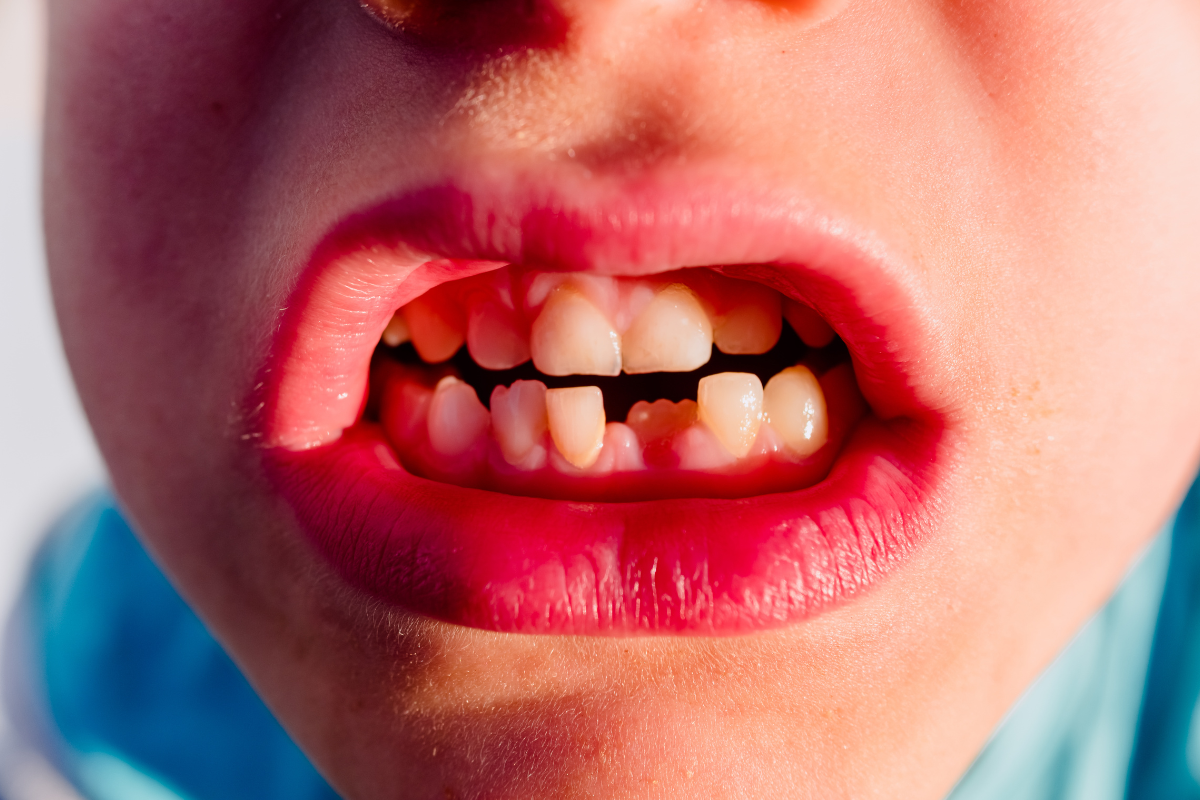
Dental enamel hypoplasia is a problem with how tooth enamel forms, leading to it being thin or even missing. Sometimes, this only affects a small area, causing pits or grooves on the tooth’s surface. Other times, the whole tooth might have a very thin enamel layer or none at all.
This enamel issue is something that happens as the tooth develops, so it’s already there when the tooth first comes through the gums. This is different from enamel wear, like when teeth get worn down by grinding or acid, which happens after the tooth has already erupted.
Okay, here’s some information about what can cause enamel hypoplasia in children, presented with pointers:
What Causes Enamel Hypoplasia in Children?
Enamel hypoplasia occurs when the enamel, the hard outer layer of a tooth, doesn’t form properly during tooth development. This can happen due to a variety of factors:
- Nutritional Deficiencies
- Premature Birth and Low Birth Weight
- Illnesses and High Fevers
- Genetic Factors
- Trauma to Developing Teeth
- Exposure to Certain Medications and Substances
- Hypocalcemia
It’s important to note that in some cases, the exact cause of enamel hypoplasia may not be identifiable. A dentist can help diagnose the condition and discuss potential contributing factors based on a child’s medical history and oral examination.
What’s the Deal with Enamel Hypoplasia?
Imagine your tooth’s outer layer, the enamel, as its protective shield. Enamel hypoplasia happens when this shield doesn’t form correctly. This results in thinner or softer enamel than usual. Sometimes, it can even lead to pits and grooves on the tooth surface. This condition primarily affects the permanent teeth. However, baby teeth can also be affected. The severity can vary greatly from person to person.
Spotting the Signs: What to Look For
How do you know if someone has enamel hypoplasia? Keep an eye out for a few key indicators such as follows –
- You might notice small pits or grooves on the teeth.
- Sometimes, the teeth can appear discolored.
- You might see white, yellow, or brown spots.
- The tooth surface might also feel rough or uneven.
- Sensitivity to temperature changes can also be a sign.
If you observe any of these, it’s wise to consult a pediatric dental professional. At Rocky Mountain Kids, our experienced pediatric dentist in Englewood can help your child in such cases.
Dental Health Concerns: More Than Just Aesthetics
Enamel hypoplasia isn’t just about how your teeth look. The thinner enamel makes teeth more susceptible to decay. Cavities can form more easily and progress faster. Teeth can also become more sensitive. Chewing might become uncomfortable due to the weakened enamel. Proper dental care is crucial to manage these issues. Regular visits to a pediatric dentist are highly recommended.
Treatment Options: Protecting Your Smile
The good news is that there are ways to manage enamel hypoplasia. Treatment depends on the severity of the condition. For mild cases, fluoride treatments can help strengthen the enamel. Dental sealants can protect the grooves and pits from decay. In more severe cases, fillings or crowns might be necessary. These restorations can protect the underlying tooth structure. Cosmetic options like veneers can improve the appearance. Your dentist will recommend the best approach for your specific needs.
Prevention Strategies: Building Stronger Teeth
While not always preventable, some steps can help. Ensuring a healthy diet during pregnancy is important. Adequate nutrition for infants and young children is also crucial. Prompt treatment of high fevers in children might help. Avoiding trauma to the mouth can also prevent enamel damage. Regular dental check-ups allow for early detection and intervention.
Taking care of your teeth is a lifelong journey. Understanding conditions like enamel hypoplasia empowers you to make informed decisions about your oral health. If you have concerns about your or your child’s teeth, don’t hesitate to reach out.
Ready to ensure a healthy and happy smile? Schedule an appointment with our experienced pediatric dental team today!

New Patients & Emergency Appointments Welcome!
