Board-Certified
Pediatric Dentists
Little Teeth, Big Trouble: Understanding Tooth Decay In Kids


Seeing your child smile is pure joy. But sometimes, tiny dark spots appear on those precious teeth. This is often tooth decay, and it’s more common than you might think. Let’s explore what causes this dental issue in our little ones. Understanding these factors helps us protect their smiles.
What is Tooth Decay in Children?
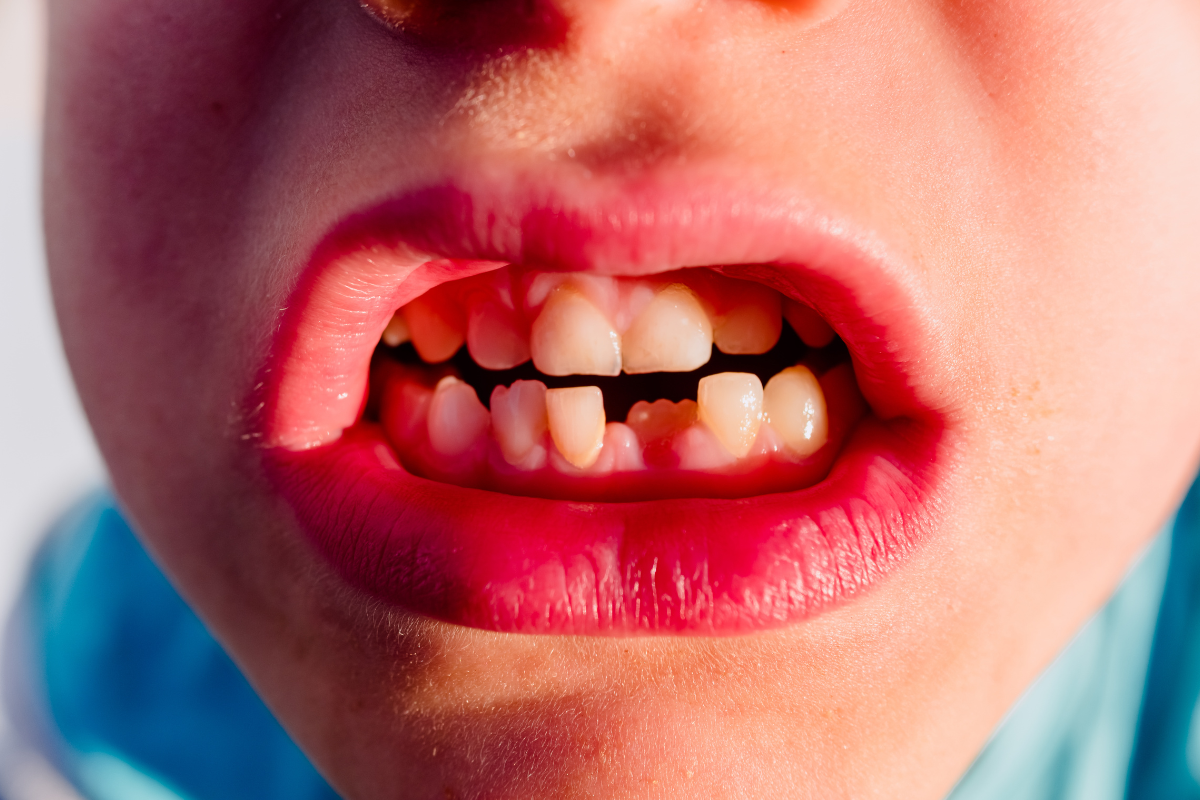
Tooth decay, also known as dental caries or cavities, is the breakdown of a tooth’s hard outer layer, called enamel. It’s a very common problem for children. When enamel breaks down, tiny holes can form in the teeth. These holes are what we commonly refer to as cavities.
Here’s a breakdown of what happens:
- The Starting Point: It all begins when certain bacteria in the mouth produce acids. These bacteria thrive on sugars found in the foods and drinks our children consume.
- Acid Attacks: The acids created by these bacteria then attack and weaken the tooth enamel. If these acid attacks occur frequently, the enamel gradually loses its strength.
- Hole Formation: Over time, this weakening can lead to the formation of a soft spot, which eventually develops into a visible hole or cavity in the tooth.
- Appearance of Decay:
- Initially, decay might appear as a faint white spot on the tooth. This signals the early stages of mineral loss.
- If left unaddressed, this spot can progressively darken, turning brown or even black.
- The hole can also expand, growing larger and deeper into the tooth structure.
- Deeper Impact: If decay continues without treatment, it can reach the deeper layers of the tooth. It can even affect the inner pulp, which contains nerves and blood vessels. This is often when your child might start experiencing pain, sensitivity, or discomfort.
Regular dental check-ups are crucial and we can help you with our pediatric dentist in Englewood to ensure that prompt diagnosis. These visits help catch decay in its earliest stages, allowing for simple and effective treatment to protect your child’s developing smile.
The Sweet Culprits: Sugary Foods and Drinks
Kids love sweets. Candies, cookies, and sugary drinks are everywhere. These treats contain sugars that oral bacteria feast upon. When bacteria consume sugar, they produce acids. These acids are the main culprits behind tooth enamel erosion. Frequent exposure to sugar gives these acids more time to attack.
The Role of Oral Bacteria
Our mouths are home to many bacteria. Some are helpful, but others are not. Streptococcus mutans is a common villain. This specific bacterium thrives on sugar. It creates sticky plaque on tooth surfaces. This plaque holds the harmful acids against the enamel. Over time, these acids weaken and break down the tooth.
Poor Brushing Habits: A Missed Opportunity
Brushing effectively removes plaque and food particles. If brushing isn’t regular or thorough, plaque builds up. This provides a constant food source for acid-producing bacteria. Kids often need help mastering proper brushing techniques. Supervising their brushing is crucial for good oral hygiene. Early dental visits to a pediatric dental expert can teach good habits.
Bedtime Bottles and Sippy Cups
Falling asleep with a bottle of milk, formula, or juice can be very damaging. The sugars in these liquids pool around the teeth. This creates a perfect breeding ground for bacteria overnight. Similarly, constantly sipping on sugary drinks throughout the day causes continuous acid attacks. Water is always the best choice for between-meal hydration.
Soft Enamel: A Natural Vulnerability
Children’s tooth enamel is softer than adult enamel. This makes their teeth more susceptible to decay. Their developing teeth are still maturing. Proper nutrition plays a vital role in strong enamel development. A balanced diet supports overall oral health.
Dry Mouth: Less Saliva, More Risk
Saliva helps wash away food bits and neutralize acids. Some medications can reduce saliva flow. Certain health conditions can also cause dry mouth. Less saliva means teeth are more vulnerable to decay. Keeping your child hydrated is very important.
The Importance of Fluoride
Fluoride strengthens tooth enamel. It makes teeth more resistant to acid attacks. Most tap water contains fluoride. Fluoride toothpaste is also very beneficial. A pediatric dentist can assess fluoride needs. They might recommend fluoride treatments.
Genetics and Tooth Structure
Sometimes, genetics play a small role. Some children naturally have thinner enamel. Others might have deep grooves in their molars. These grooves can trap food easily. A pediatric dentist can seal these grooves. This protective measure is called a dental sealant.
Don’t Wait: Act Now for Healthy Smiles
Early detection and intervention are key. Regular check-ups with a pediatric dentist in Englewood are vital. They can spot early signs of decay. They also provide preventive care and advice. Protect your child’s precious smile.
Ready to protect your child’s smile? Schedule an appointment with our trusted pediatric dentist in Englewood today!


New Patients & Emergency Appointments Welcome!
