
Board-Certified
Pediatric Dentists
Understanding Lip Ties: How They Affect Your Toddler



Is your toddler struggling with feeding, speech, or even oral hygiene? These challenges might point to a less-known condition: a lip tie. Often overlooked, lip ties can significantly impact a child’s early development. Let’s delve into what a lip tie is and how it can affect your little one, ensuring you have the expert knowledge to seek appropriate care.
What Exactly Is A Lip Tie?
A lip tie occurs when the thin piece of tissue connecting the upper lip to the gum, called the frenum, is abnormally tight or thick. This restriction limits the upper lip’s movement. Unlike a tongue tie, which might be more commonly discussed, a lip tie can be subtle yet problematic. It can make everyday actions surprisingly difficult for a toddler.
What Kind of Symptoms Can Occur?
Recognizing the signs of a lip tie is the first step. Look out for these common symptoms in your toddler:
- Difficulty Latching: Struggling to create a good seal during bottle or cup feeding.
- Feeding Frustration: Visible distress or discomfort during mealtimes.
- Messy Eating: Excessive milk spillage from the mouth while feeding.
- Poor Weight Gain: Especially in younger toddlers, inadequate milk intake can affect growth.
- Digestive Issues: Swallowing excess air, leading to gassiness or reflux.
- Speech Challenges: Difficulty forming certain sounds, potentially affecting articulation.
- Oral Hygiene Problems: Food particles getting trapped, making teeth cleaning difficult.
- Dental Concerns: Increased risk of cavities, particularly on the upper front teeth.
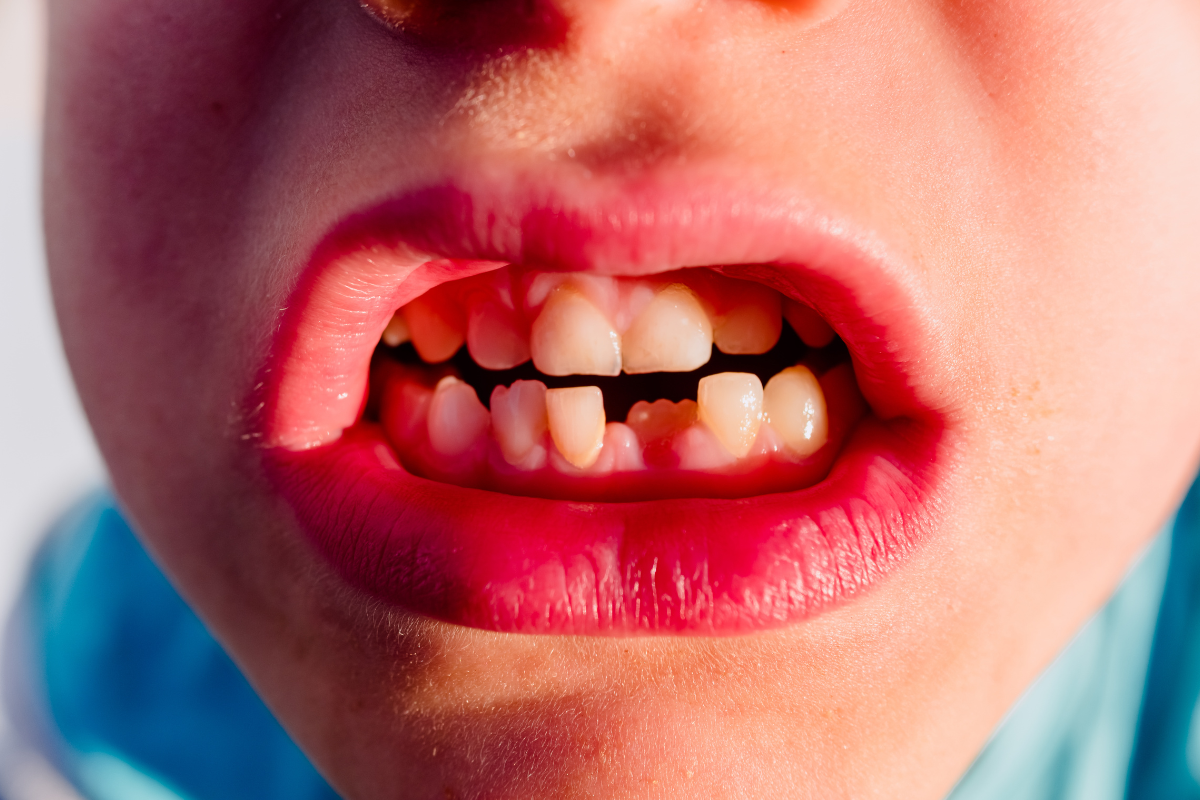
- Visible Gaps: A noticeable gap between the front two upper teeth.
Impact on Feeding and Nutrition
The most immediate effect of a lip tie is often on feeding. A toddler with a restricted upper lip can’t achieve a proper seal when drinking. This leads to inefficient feeding, causing frustration for both parent and child. Inadequate milk or food intake can impact a child’s nutritional status and overall growth. Symptoms like reflux and gas often stem from swallowing too much air during compromised feeding.
Speech Development and Oral Health
Beyond feeding, a tight upper lip can hinder proper speech articulation. Toddlers might struggle with sounds requiring good lip mobility, like “p,” “b,” or “m.” Early identification and intervention are crucial for healthy speech development.
Oral hygiene also becomes a significant concern. A restricted lip can trap food debris against the front teeth and gums, making brushing difficult. This increased plaque buildup raises the risk of early childhood cavities, particularly on the upper incisors. At our dental office, our pediatric dentist in Englewood can provide essential guidance on effective cleaning techniques and preventive care.
Beyond the Mouth: Other Challenges
The effects of a lip tie can extend beyond just feeding and speech. Toddlers might experience chronic gum irritation or even dental pain due to the constant tension. This discomfort can lead to fussiness, irritability, and impact their overall disposition. Some children may develop compensatory movements, straining other facial muscles to adapt. Recognizing these broader impacts helps ensure comprehensive care.
Diagnosis and Expert Treatment Options
If you suspect your toddler has a lip tie, seeking professional evaluation is vital. A pediatric dentist is uniquely qualified to diagnose and treat this condition. Diagnosis typically involves a thorough oral examination to assess the frenum’s appearance and flexibility.
Treatment for a lip tie is generally a straightforward procedure called a frenectomy. This involves precisely releasing or revising the restrictive frenum. Often performed using a soft tissue laser, the procedure is quick, minimally invasive, and typically causes little discomfort. Post-procedure, many parents report immediate improvements in feeding efficiency and their child’s overall comfort.
Why Early Intervention Matters
Addressing a lip tie early can prevent numerous long-term complications. Prompt treatment improves feeding efficiency, supports clear speech development, and facilitates optimal oral hygiene. Don’t delay if you have concerns. Your toddler deserves the best possible start for their oral health and overall well-being. A visit to a pediatric dental expert can provide the expert care and peace of mind you need.
Seeking Expert Care for Your Child
Understanding the potential impact of a lip tie empowers you as a parent. If any of these symptoms resonate with your toddler’s experience, please don’t hesitate to seek professional help. At our dental office, our pediatric dentist can offer the specialized expertise required to diagnose and treat lip ties, ensuring your child thrives.
Is your toddler showing signs of a lip tie? Schedule a consultation with our leading pediatric dentist in Englewood today to explore solutions!


New Patients & Emergency Appointments Welcome!
