
Board-Certified
Pediatric Dentists
How Can Thumb Sucking Impact My Child’s Teeth?


Thumb sucking is a common habit for young children. Many infants find comfort and security in this action. Most children outgrow this behavior on their own. However, prolonged thumb sucking can impact their dental health. It’s wise for parents to understand these potential effects. Our pediatric dentist in Englewood have seen many cases of thump-sucking. Read this blog to understand our expert guidance.
How It Affects Teeth Alignment
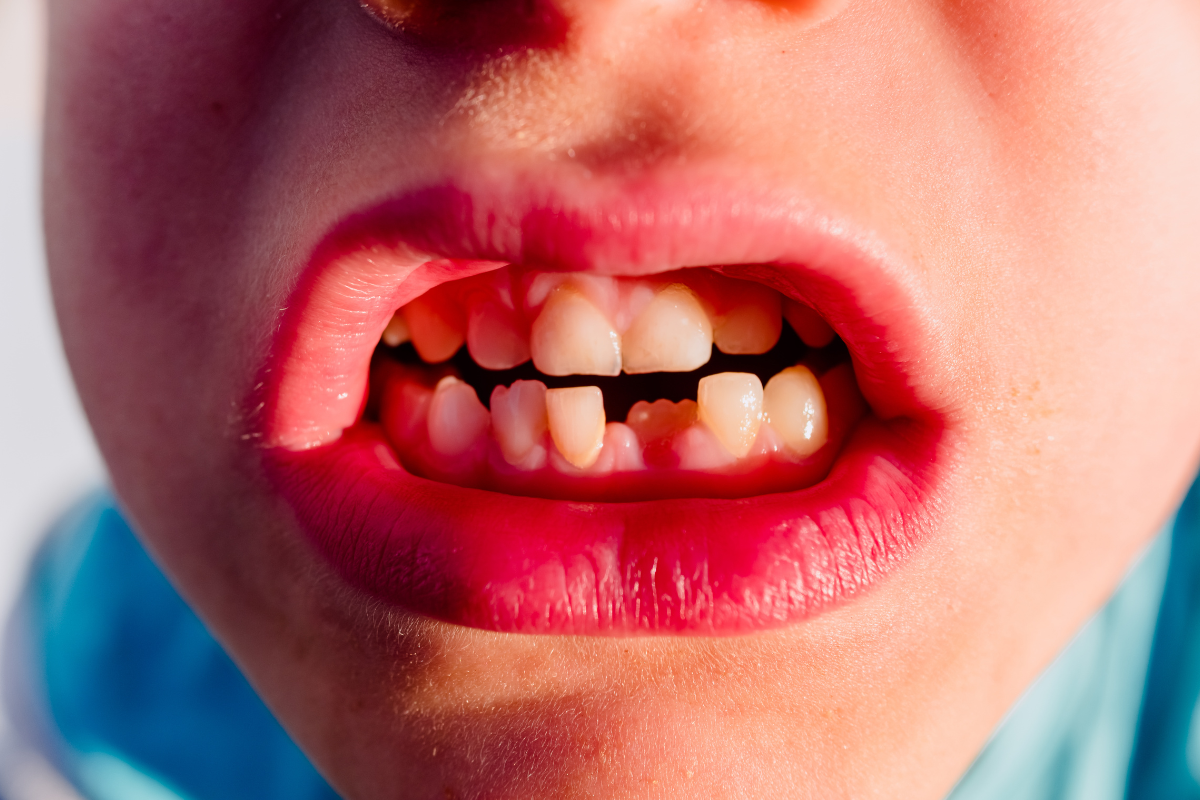
If your child has a persistent habit for thumb sucking, then as a parent you have to beware that this habit may impact the bite structure of your child’s bite. Here, we have listed them –
- Constant thumb sucking puts pressure on developing teeth. This pressure can cause teeth to shift out of place. The upper front teeth might push outward.
- Lower front teeth can sometimes tilt inward. This can lead to a condition called an open bite. The upper and lower teeth will not meet correctly.
- Speech development can also be affected, causing a lisp.
- Furthermore, the habit can introduce bacteria. This increases the risk of tooth decay.
Early dental visits with a pediatric dentist in Englewood are very important. We can monitor your child’s dental development closely.
Long-Term Effects of Thumb Sucking
Prolonged thumb sucking can have lasting consequences on a child’s oral health and development. These long-term effects can be observed as the child grows.
- Permanent Dental Misalignment: The pressure from thumb sucking can cause permanent teeth to erupt incorrectly. This can result in a lasting overbite or open bite. Such conditions often require extensive orthodontic work.
- Altered Jaw Structure: The shape of the jaw and palate can be permanently changed. This may lead to a narrow arch or a crossbite. Correcting these issues often involves complex procedures.
- Speech Impediments: The habit of thumb sucking can also affect speech. Children might develop a lisp or other speech impediments. This is due to the altered position of their teeth and tongue. These issues often resolve once the habit stops. However, it’s a concern for parents.
- Orthodontic Treatment Needs: Most children who are long-term thumb suckers will need braces. Early habits can lead to a long and expensive orthodontic journey.
- Impact on Palate Growth : Prolonged thumb sucking can also affect the jaw’s structure. The constant pressure can narrow the upper jaw. This can lead to a crossbite. The upper teeth will fit inside the lower teeth. Jaw growth issues might require orthodontic treatment later. Regular check-ups with a pediatric dentist in Englewood are a good idea. We can track jaw growth and development.
- Oral Health Issues: There is also an indirect risk of cavities. Children may suck on dirty thumbs. This introduces bacteria into their mouth. A pediatric dentist in Englewood can offer strategies to maintain good oral hygiene.
Adopt These Strategies For Thumb Sucking
Stopping a thumb-sucking habit requires a gentle and supportive approach. It’s important to be patient and avoid scolding. Here are some effective strategies for parents to try:
- Offer Positive Reinforcement: Praise your child for not sucking their thumb. Use reward charts or small incentives to encourage progress.
- Identify the Triggers: Notice when your child sucks their thumb. It might be due to stress, boredom, or tiredness. Address the underlying cause.
- Provide a Comfort Alternative: Offer a favorite blanket or a toy as a substitute for comfort. This can help transition them away from the habit.
- Use Gentle Reminders: When you see them sucking their thumb, offer a kind and simple reminder. Avoid making them feel ashamed.
- Consult a Professional: If the habit persists, talk to your pediatric dentist. They can offer custom advice or recommend a thumb guard to help break the cycle.
When to Seek Professional Guidance
Most children stop thumb sucking between the ages of two and four. If the habit continues past age six, it’s time for concern. This is especially true when permanent teeth begin to emerge. A pediatric dentist in Englewood can assess your child’s specific situation. We can offer gentle methods to help them stop. We can also provide early orthodontic intervention if needed.
We can guide you and your child through this process. Is your child’s thumb sucking a concern for you? Schedule an appointment with our experienced pediatric dentist in Englewood. We provide a comprehensive evaluation and personalized guidance.


New Patients & Emergency Appointments Welcome!
