Board-Certified
Pediatric Dentists
Is Pus in My Child’s Mouth an Emergency? An Englewood Pediatric Dentist Answers



Discovering pus anywhere on your child is alarming, but finding it in their mouth can send a parent into full panic mode. Is it serious? Can it wait until Monday? Should you head straight to the ER? These are exactly the kinds of questions Englewood parents ask, and they deserve a clear, honest answer. The short answer is yes, pus in your child’s mouth is almost always a dental emergency, and it should never be left to resolve on its own.
What Pus in the Mouth Actually Means
Pus is not a condition on its own it’s a symptom. When you see pus in or around your child’s mouth, it almost always means there is an active bacterial infection somewhere nearby. In a dental context, this typically points to one of two things: a dental abscess or a gum infection, both of which are serious and require prompt professional attention.
A dental abscess is a pocket of pus that forms at the root of a tooth or in the surrounding gum tissue as the body tries to contain a bacterial infection it cannot clear on its own. Left untreated, that infection does not simply go away. It grows. It spreads. And in rare but very real cases, a dental infection that originates in a tooth can travel into the jaw, neck, or even the brain a complication that becomes life-threatening far faster than most parents realize.
So when you see pus in your child’s mouth, the clock is already ticking.
Common Signs That Accompany a Dental Infection
Pus is often one of several warning signs that appear together when a child has a dental infection. Knowing what to look for helps you act quickly rather than second-guessing yourself. Watch for swelling in the gum, jaw, or face especially if it seems to be spreading or affecting the area under the eye or around the neck. Persistent, throbbing toothache that doesn’t improve with children’s pain reliever is another red flag, as is a bad taste in the mouth that your child mentions or that you notice on their breath.
Fever accompanying dental pain or swelling is a particularly urgent combination. It signals that the infection has begun to affect the body systemically, not just locally. If your child has a swollen face, difficulty swallowing, or trouble opening their mouth alongside any of these symptoms, do not wait for a dental appointment go to the emergency room first, then contact your pediatric dentist.
Baby Teeth Can Abscess Too — And It Matters
One of the most common misconceptions parents in Englewood and across the country have is that baby teeth don’t really matter when it comes to infections. If it’s going to fall out anyway, how serious can it be? The answer is very serious.
Baby teeth sit directly above the developing permanent teeth underneath them. A severe infection in a primary tooth can damage the permanent tooth still forming below it, causing problems that follow your child into adulthood. Beyond that, a dental abscess in a baby tooth carries all the same risks of spreading infection as one in a permanent tooth. The size of the tooth has no bearing on the severity of what can happen if the infection is left untreated.
This is why emergency dental care at Rocky Mountain Kids Dentistry is designed to see children with signs of dental infection as quickly as possible because the team understands that a baby tooth emergency is a real emergency.
What Treatment for a Dental Abscess Looks Like
When you bring your child in for a suspected dental infection, the first step is a thorough examination and X-rays to determine the source and extent of the infection. From there, treatment depends on the severity of the situation and whether the affected tooth is a primary or permanent one.
For a baby tooth that is severely infected and cannot be saved, extraction is often the most appropriate course of action, followed by a discussion about space maintenance to protect the alignment of incoming permanent teeth. For a permanent tooth, the goal is almost always to save it which may involve draining the abscess, a pulpotomy (a child-friendly version of a root canal), or a dental crown to restore the tooth after treatment.
In all cases, antibiotics are frequently prescribed to help clear the infection, though antibiotics alone are never a substitute for dental treatment. They reduce the bacterial load but do not address the source of the infection, which means the abscess will return if the underlying tooth problem isn’t resolved.
That peace of mind matters enormously when you’re walking through the door with a sick, uncomfortable child.
What to Do While You Wait for Your Appointment
If your child is in pain while you’re waiting to be seen, there are a few things you can do at home to keep them as comfortable as possible. Age-appropriate doses of children’s ibuprofen or acetaminophen can help manage pain and reduce inflammation. A warm saltwater rinse if your child is old enough to rinse and spit without swallowing can help keep the area clean and may provide mild temporary relief.
Do not attempt to pop or drain the abscess yourself. It may seem like it would help, but doing so introduces additional bacteria into the area and can push the infection deeper into surrounding tissue. The only appropriate place for an abscess to be drained is in a clinical setting by a dental professional.
Avoid giving your child hot foods or drinks, which can aggravate inflammation, and keep them away from very hard or crunchy foods that put pressure on the affected area.
Why Prompt Care in Englewood Makes All the Difference
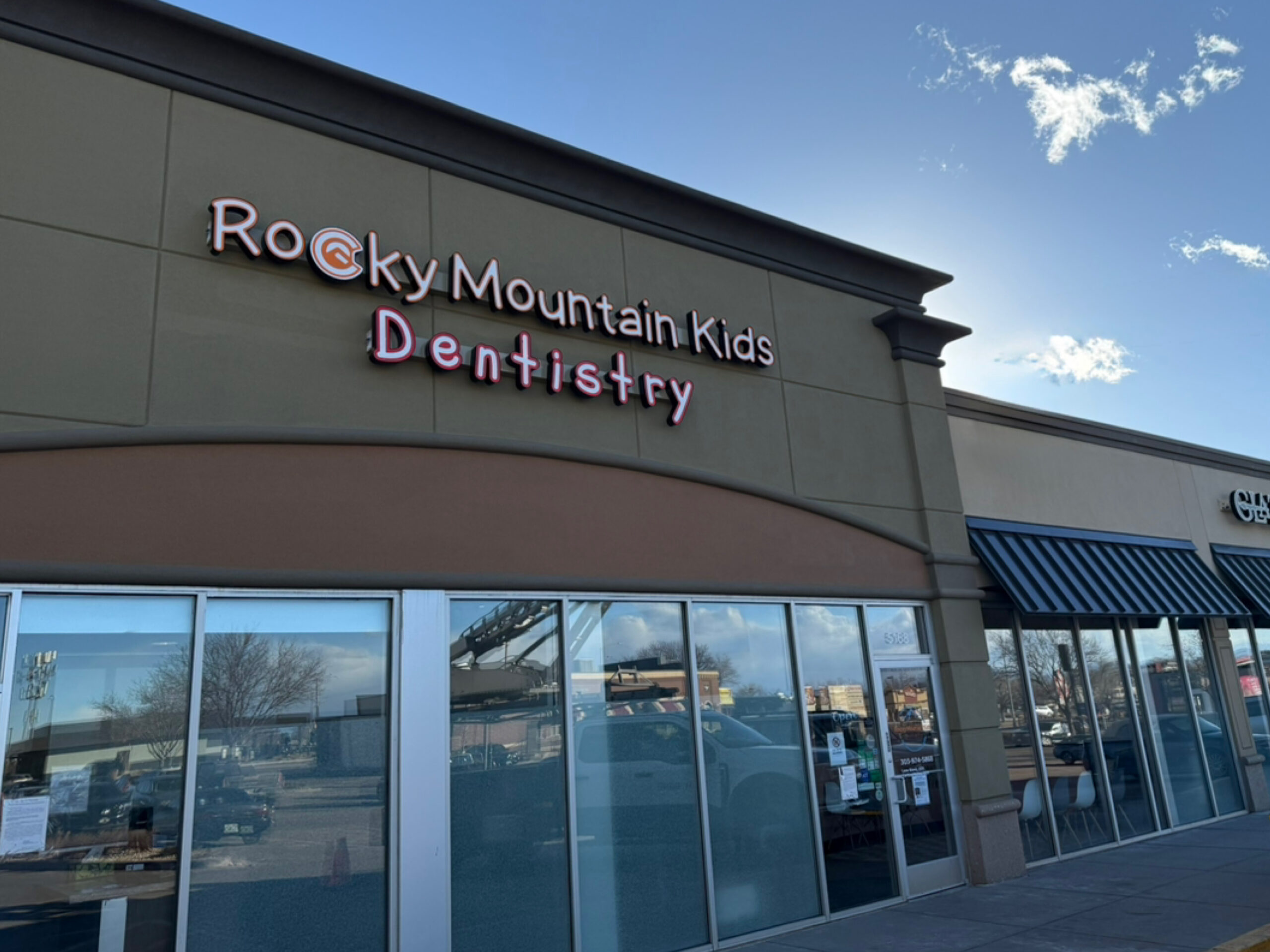
Rocky Mountain Kids Dentistry is located at 5168 South Broadway in Englewood easily accessible for families throughout the South Denver metro area, including Littleton, Centennial, and Sheridan. The practice is open Monday through Friday and welcomes new patients and emergency appointments, which means you don’t have to be an existing patient to walk through the door when something goes wrong.
The board-certified pediatric dentistry team Dr. Lane Bland, and Dr. Heather Jenkins brings specialized training in managing dental emergencies in children of all ages, including those with special healthcare needs. That expertise means your child gets the right treatment quickly, from clinicians who understand that a frightened child in pain needs both clinical skill and genuine compassion in equal measure.
For Englewood families, having a trusted pediatric dental practice that handles emergencies right in the community is not a small thing. Knowing exactly where to go and knowing the team there will take your child’s situation seriously removes one more layer of stress from an already stressful moment.
Don’t Wait It Out
Pus in your child’s mouth is not something that will get better with time, rest, or home remedies alone. It is an active infection that requires professional treatment, and the sooner it’s addressed, the simpler and less invasive that treatment is likely to be. Dental infections that are caught early are far easier to manage than those that have been allowed to spread.
If you’ve noticed swelling, pus, persistent pain, or any other signs of a dental infection in your child’s mouth, don’t wait to see if it improves on its own.
Request an appointment today at Rocky Mountain Kids Dentistry in Englewood, CO because when it comes to your child’s health, acting fast is always the right call.

New Patients & Emergency Appointments Welcome!
