Board-Certified
Pediatric Dentists
Can Pediatric Dentists Save a Knocked-Out Baby Tooth?


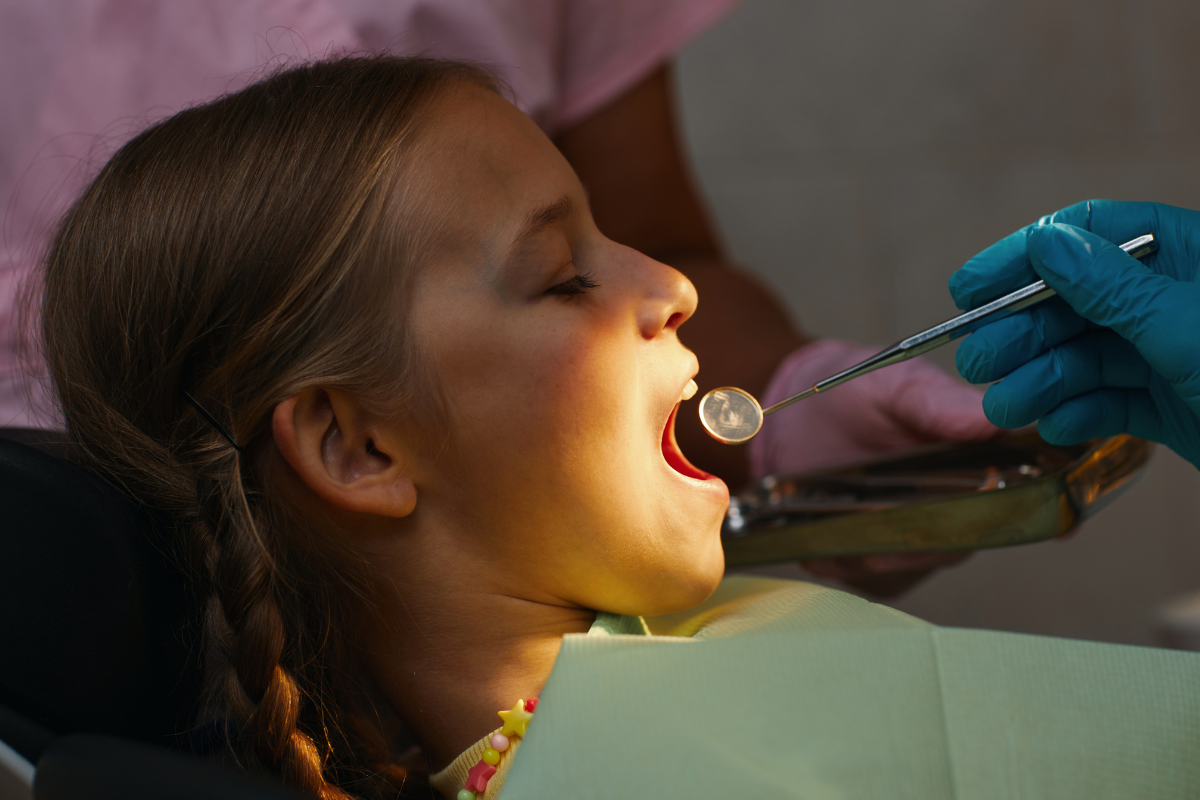
It can happen in a split second. Your child slips, falls, and suddenly a tooth is on the ground. It is a scary moment for any parent. The first thought is often, “Can this be saved?”
If it is a baby tooth, the answer may surprise you. A pediatric dentist looks at these cases very carefully because baby teeth are different from adult teeth. What works for one may not work for the other.
Let’s walk through what really happens, what you should do, and how to protect your child’s smile.
Understanding Baby Teeth and Why They Matter
Baby teeth are not just placeholders. They help your child chew, speak clearly, and guide adult teeth into place. That is why a pediatric dentist takes injuries to baby teeth seriously.
However, baby teeth sit close to the developing adult teeth underneath. This makes treatment choices more cautious.
Can a Knocked-Out Baby Tooth Be Put Back?
In most cases, no.
Unlike adult teeth, a knocked-out baby tooth is usually not reinserted. A pediatric dentist avoids putting it back in because it could harm the adult tooth growing in below.
This may feel unexpected, but it is done to protect your child’s long-term dental health.
What Should You Do Right Away?
Quick action still matters, even if the tooth cannot be replaced.
Here’s what to do:
- Stay calm and comfort your child
- Find the tooth, if possible
- Rinse your child’s mouth gently with clean water
- Stop any bleeding with a soft cloth or gauze
- Call a pediatric dentist right away
If you are in Englewood, having a trusted local dental office ready can save time during emergencies like this.
Why Immediate Dental Care Is Still Important
Even if the tooth cannot be saved, your child still needs care.
A pediatric dentist will:
- Check for damage to nearby teeth
- Look for signs of injury to the gums or jaw
- Make sure no tooth pieces are left behind
- Monitor the area for proper healing
Skipping this step can lead to infection or problems with future teeth.
What Happens After the Injury?
After the visit, the focus shifts to healing and growth.
Your child may need:
- A follow-up visit to track healing
- X-rays to check the developing tooth
- Guidance on eating soft foods for a few days
In some cases, a space maintainer may be discussed. This helps keep room open for the adult teeth.
Will This Affect the Adult Tooth?
It can, but not always.
A hard fall may impact the tooth beneath the gums. A pediatric dentist will watch for:
- Changes in how the adult tooth grows in
- Discoloration
- Delayed eruption
Regular checkups help catch these issues early.
Tips to Prevent Future Tooth Injuries
While not every accident can be avoided, some steps that can lower the risk:
- Use mouthguards during sports
- Childproof sharp edges at home
- Teach safe play habits
- Keep floors dry and clear
Parents in Englewood often deal with active kids and outdoor play, so small safety steps can go a long way.
When Should You Call for Help?
Call a pediatric dentist right away if your child:
- Loses a tooth due to injury
- Has heavy bleeding
- Complains of pain in the mouth or jaw
- Has trouble biting or closing their mouth
Even if the situation seems minor, it is always safer to get it checked.
How a Child-Friendly Dental Team Helps
Dental visits after an injury can feel stressful for kids. A pediatric dentist is trained to keep things calm and simple.
They use:
- Gentle language
- Kid-focused care
- A relaxed approach to reduce fear
This can make a big difference in how your child feels about dental care in the future.
Conclusion: Acting Fast Makes a Difference
A knocked-out baby tooth can feel like an emergency, but in most cases, it will not be put back in place. The priority is to protect your child’s future smile and overall health.
If your child has a dental injury, do not wait. It is best to schedule a consultation with Rocky Mountain Kids Dentistry so your child gets the right care at the right time. You can also contact our dental office for guidance and support when you need it most.
At Rocky Mountain Kids Dentistry in Englewood, care is focused on helping children heal comfortably while keeping their long-term dental health on track.
Frequently Asked Questions
Should I try to put the baby tooth back myself?
No. This can cause harm to the developing adult tooth underneath.
Is losing a baby tooth from an injury serious?
It can be. Even if the tooth is not saved, the area still needs to be checked for damage.
How soon should I see a dentist after an injury?
As soon as possible. Quick care helps prevent complications.
Will my child feel pain after losing a tooth this way?
There may be some discomfort, but it is usually manageable with simple care and guidance.
Can a lost baby tooth affect speech or eating?
In some cases, yes, especially if it happens early. Your dentist can guide you on the next steps.
How long does it take to heal after a knocked-out baby tooth?
Most children heal within a few days to a couple of weeks, depending on the injury.

New Patients & Emergency Appointments Welcome!
