
Board-Certified
Pediatric Dentists
Braces For Children: When Is The Right Time To Start


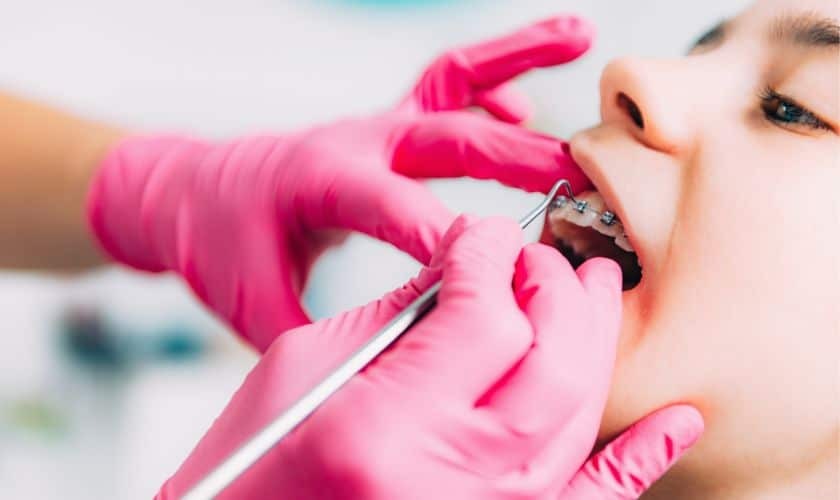
Are you wondering when the right time is to start your child on braces? As a parent, it’s natural to want the best for your child, and that includes their dental health. Braces can help correct misaligned teeth and improve their overall oral hygiene. But with so many options available, how do you know which type of braces is best for your child? Let’s get started!
When To Start Wearing Braces
The ideal time to start wearing braces for children varies from case to case. For most, it’s between the ages of 10 and 14 when all their permanent teeth have come in. However, some may need orthodontic treatment earlier or later based on individual dental issues.
It’s important to note that early intervention can prevent more extensive treatments down the road. An orthodontist can identify any potential problems early on and recommend a course of action that is best suited for your child.
Factors such as the severity of malocclusion, jaw alignment issues, overcrowding, and protruding teeth are all taken into consideration when determining the right time to begin treatment.
Remember that every child’s situation is unique, so be sure to consult with an experienced orthodontist who will provide you with a personalized treatment plan tailored specifically for your child’s needs.
Types Of Braces
When it comes to braces, there are several options available for children. Each type of brace has its unique features and benefits. The type of brace recommended will depend on the child’s specific dental needs.
One common type of braces is traditional metal braces. These consist of metal brackets attached to each tooth with wires connecting them. They are effective in correcting a wide range of dental issues but can be uncomfortable and noticeable.
Ceramic braces are another option that uses clear or tooth-colored brackets instead of metal ones, making them less noticeable. However, they may not be as durable as metal braces and require more careful maintenance.
Lingual braces also use metal brackets and wires but attach to the backside of teeth rather than the front, making them virtually invisible from the outside. However, these types can be difficult to clean and adjust.
There are clear aligners like Invisalign which consists of custom-made plastic trays that gradually move teeth into proper alignment over time. They are removable for eating and cleaning but require consistent wear for maximum effectiveness.
Ultimately, it is best to consult with an orthodontist to determine which type is most suitable for your child’s specific needs.
The Benefits Of Wearing Braces
Wearing braces is a big decision, and it’s important to know when the right time to start is. As we’ve discussed in this article, there are several factors that come into play, including age and the severity of orthodontic issues.
However, no matter what type of braces your child gets or when they start wearing them, one thing is certain: the benefits of wearing braces can be life-changing. From improving oral health to boosting self-confidence and even helping with speech impediments, straight teeth have numerous advantages.
The Bottom Line
If you’re considering getting braces for your child or yourself, talk to an orthodontist about the best course of action. They can help you determine if now is the right time for treatment and which type of braces will work best for you or your child.
Remember that although wearing braces may require some commitment and patience in terms of regular adjustments over a period of months or even years, it’s ultimately worth it for both improved oral health and increased confidence in smiling!



New Patients & Emergency Appointments Welcome!
