
Board-Certified
Pediatric Dentists
Dental Emergencies In Children: What To Do And When To Seek Help


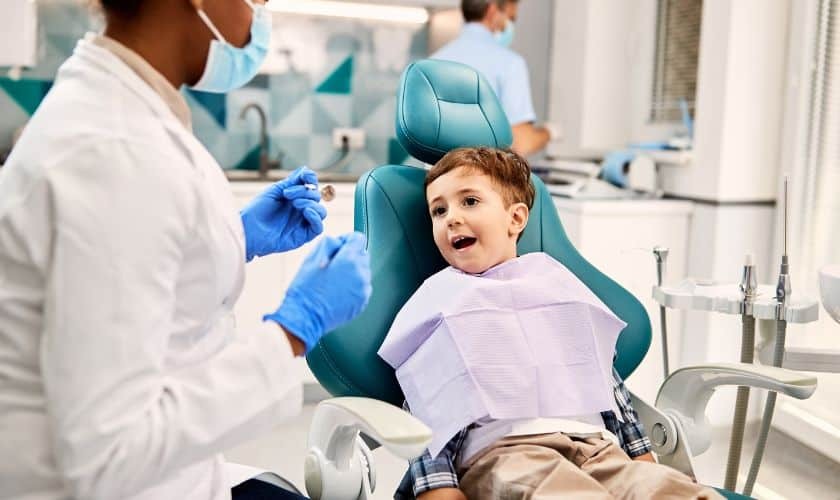
As much as we try to protect our little ones, accidents can happen at any time. And when it comes to dental emergencies in children, knowing what to do can make all the difference. From knocked-out teeth to toothaches and broken braces, these situations require quick thinking and action.
Common Dental Emergencies In Children
Dental emergencies in children can be a scary experience for both the child and the parent. As children are often active and adventurous, it’s common for them to experience dental emergencies such as chipped or knocked-out teeth.
One of the most common dental emergencies in children is toothache. Toothaches can occur due to cavities, gum disease, or injury. Children may complain of constant pain in their mouth, especially when chewing or biting down.
Another common dental emergency is a broken or chipped tooth. This can happen if a child falls or gets hit in the face while playing sports. It’s important to see a dentist as soon as possible if this happens because it could lead to infection and further damage.
A knocked-out tooth is also considered an emergency that requires immediate attention from a dentist. If your child experiences this type of injury, try to locate the missing tooth and store it properly until you get to the dentist’s office.
Tongue bites are another common dental emergency that occurs when kids accidentally bite their tongue while eating or speaking. While not typically serious, these injuries can cause significant pain and discomfort for your child.
It’s important to remember that any time your child experiences oral pain or trauma; you should seek professional help immediately by contacting your family dentist who specializes in pediatric care.
When To Seek Help For A Dental Emergency
As a parent, it’s important to know when to seek help for a dental emergency. While some issues can be handled at home, others require immediate attention from a dentist.
If your child experiences severe pain or swelling in the mouth, this could be a sign of an abscess or infection and should not be ignored. Bleeding that doesn’t stop after applying pressure for several minutes is also cause for concern and requires professional help.
Additionally, if your child has chipped or broken teeth that are causing discomfort or affecting their ability to eat and speak properly, it’s best to schedule an appointment with a dentist as soon as possible.
Injuries such as knocked-out teeth require prompt action because time is of the essence when trying to save the tooth. If you’re unsure how serious your child’s injury is, call their dentist immediately for guidance on what steps to take next.
Remember that even minor dental injuries can have long-lasting effects if left untreated. It’s always better to err on the side of caution and seek expert advice from a qualified professional whenever there’s any doubt about your child’s dental health.
How To Prevent Dental Emergencies In Children
Preventing dental emergencies in children is essential for their overall health and well-being. First, it’s important to establish good oral hygiene habits early on. This includes brushing twice a day with fluoride toothpaste and flossing daily.
Regular check-ups with the dentist are also crucial in preventing dental emergencies. During these visits, the dentist can identify any potential issues before they become major problems.
Encouraging healthy eating habits can also prevent dental emergencies. Limit sugary snacks and drinks, as they can lead to cavities and other dental issues.
Additionally, ensure that your child wears proper protective gear during physical activities such as sports or bike riding. A mouthguard can protect against potential injuries to the teeth and gums.
Teaching your child about safe habits such as not using their teeth as tools or chewing on hard objects can also help prevent dental emergencies.
By establishing good oral hygiene habits, attending regular checkups, encouraging healthy eating habits, using protective gear during physical activities, and teaching safe habits you can greatly reduce the risk of dental emergencies in children.
The Bottom Line
Dental emergencies in children can be distressing for both the child and the parent. However, knowing how to handle these situations can make a big difference in the outcome of an emergency. Remember to stay calm and assess the situation before taking any action.
If you’re unsure if your child is experiencing a dental emergency or not, it’s always better to err on the side of caution and seek professional help immediately. And most importantly, don’t forget about preventative measures such as regular check-ups with a pediatric dentist and promoting good oral hygiene habits.
By following these tips, you’ll be able to ensure that your child’s dental health remains intact while also giving yourself peace of mind when faced with any unexpected emergencies.



New Patients & Emergency Appointments Welcome!
