
Board-Certified
Pediatric Dentists
Fresh Smiles, Happy Kids: How to Tackle Bad Breath in Children


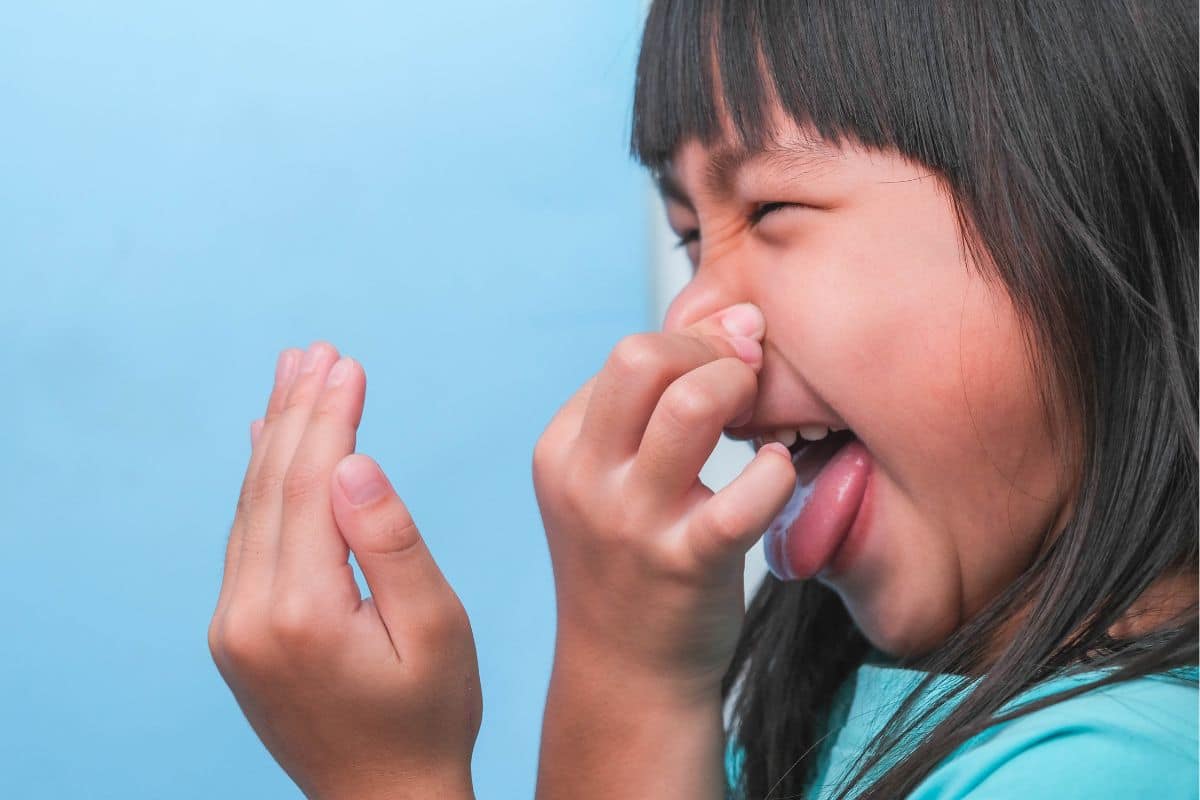
Bad breath, or halitosis, is a common issue among children that can be both embarrassing and concerning for parents. While it’s normal for morning breath to happen after a night’s sleep, persistent bad breath could signal underlying issues that need to be addressed. As a parent, you want your child to have a healthy smile and fresh breath. Let’s dive into what causes bad breath in children and how you can help them maintain a fresh, confident smile.
Understanding the Causes of Bad Breath in Children
Bad breath can stem from several sources, some of which are easily preventable with good oral hygiene, while others may require medical attention. Here are some of the most common causes:
- Poor Oral Hygiene: One of the leading causes of bad breath in children is inadequate brushing and flossing. Food particles that remain in the mouth can be broken down by bacteria, releasing foul-smelling gases. Regular brushing and flossing are key to preventing this.
- Dry Mouth: Saliva helps wash away food particles and bacteria. When a child’s mouth is dry, often due to mouth breathing or certain medications, the lack of saliva can lead to bad breath.
- Dietary Choices: Certain foods, such as onions, garlic, and sugary snacks, can contribute to bad breath. These foods can leave a lingering odor that’s hard to get rid of without proper brushing.
- Oral Infections: Conditions like gum disease, cavities, or tonsillitis can cause bad breath. If your child’s bad breath is accompanied by pain, bleeding gums, or swelling, it’s important to consult a pediatric dentist.
- Medical Conditions: Sometimes, bad breath can be linked to underlying health issues such as sinus infections, digestive problems, or even diabetes. If oral hygiene improvements don’t resolve the issue, a visit to your child’s pediatrician may be necessary.
Establishing Good Oral Hygiene Habits
The foundation of fresh breath and a healthy mouth is good oral hygiene. Here’s how you can help your child develop these important habits:
- Brushing Twice a Day: Make sure your child brushes their teeth twice a day for at least two minutes each time. Use a fluoride toothpaste and ensure they brush all surfaces of their teeth, including the back molars.
- Flossing Daily: Flossing is essential for removing food particles and plaque from between the teeth, where a toothbrush can’t reach. Help your child learn how to floss properly or consider using floss picks if they find regular floss challenging.
- Rinsing with Mouthwash: For children over the age of six, using an alcohol-free mouthwash can be an effective way to kill bacteria that cause bad breath. Make it a fun part of their routine by choosing a flavor they enjoy.
- Cleaning the Tongue: Bacteria can also accumulate on the tongue, leading to bad breath. Encourage your child to gently brush their tongue or use a tongue scraper as part of their daily routine.
Healthy Diet for Fresh Breath
What your child eats can have a significant impact on their breath. Here are some dietary tips to help keep bad breath at bay:
- Limit Sugary Foods and Drinks: Sugary snacks and drinks can promote the growth of bacteria in the mouth, leading to bad breath. Encourage your child to choose healthier snacks like fruits, vegetables, and cheese, which can actually help clean their teeth.
- Stay Hydrated: Drinking plenty of water throughout the day helps wash away food particles and bacteria, keeping the mouth moist and fresh. Make sure your child drinks water regularly, especially after meals and snacks.
- Avoid Strong-Smelling Foods: While it’s okay to enjoy foods like garlic and onions in moderation, these can contribute to bad breath. If your child does eat these foods, make sure they brush their teeth afterward.
When to See a Pediatric Dentist
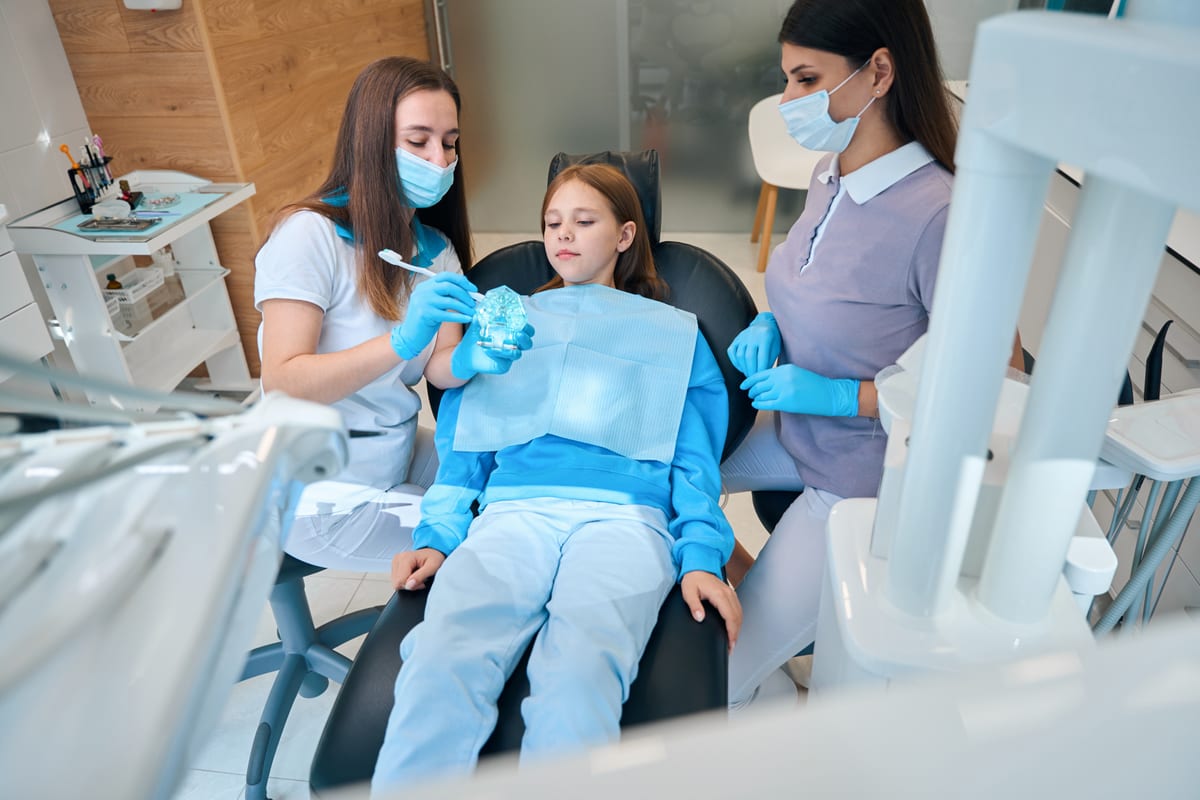
If your child’s bad breath persists despite good oral hygiene and a healthy diet, it may be time to consult a pediatric dentist. Here are some signs that warrant a dental visit:
- Persistent Bad Breath: If your child’s bad breath doesn’t go away with regular brushing and flossing, it’s important to have their mouth checked for underlying issues such as cavities or gum disease.
- Pain or Discomfort: If your child is experiencing tooth pain, bleeding gums, or discomfort when eating, these could be signs of a more serious dental issue that needs professional attention.
- Swollen or Bleeding Gums: Swollen, red, or bleeding gums are often a sign of gum disease, which can contribute to bad breath. A pediatric dentist can diagnose and treat gum issues to prevent further complications.
Fun Tips to Encourage Fresh Breath Habits
Getting kids excited about their oral care routine can be a challenge, but these fun tips can help:
- Make Brushing Fun: Let your child pick out a toothbrush with their favorite character or a fun color. Use a timer or play a two-minute song to make sure they brush long enough.
- Reward Good Habits: Create a reward chart for brushing, flossing, and rinsing. Offer small rewards for consistent good habits, such as a special outing or a new book.
- Lead by Example: Children often mimic their parents’ behavior. Make oral care a family activity, brushing and flossing together to reinforce the importance of these habits.
Conclusion
Bad breath in children can be a sign of poor oral hygiene, dietary choices, or underlying health issues. By helping your child develop good oral hygiene habits, making healthy dietary choices, and staying vigilant about their dental health, you can keep their breath fresh and their smile bright. If bad breath persists, don’t hesitate to visit a pediatric dentist in Englewood for a thorough examination and professional advice. Remember, a healthy mouth leads to a happy, confident child.


New Patients & Emergency Appointments Welcome!
