
Board-Certified
Pediatric Dentists
My Child Won’t Go to the Dentist, What Can I Do?



Dental visits can be intimidating for children, often causing significant anxiety and resistance. However, ensuring your child receives regular dental care is crucial for their long-term oral health. If your child is reluctant to visit the dentist, there are strategies you can employ to alleviate their fears and encourage a positive experience. In this guide, we’ll explore various approaches to help your child overcome their dental anxiety.
Understanding Dental Anxiety in Children
Common Reasons for Dental Anxiety
Children may fear dental visits for several reasons:
- Fear of Pain: Previous painful experiences or hearing about them from others can make children apprehensive.
- Fear of the Unknown: Unfamiliar environments, sounds, and tools can be intimidating.
- Loss of Control: Lying in a chair while someone works in their mouth can make children feel vulnerable.
Statistics on Dental Anxiety
Dental anxiety is common among children. According to a study published in the European Journal of Paediatric Dentistry, approximately 9% of children exhibit high levels of dental fear, while 20% show moderate levels.
Preparing Your Child for a Dental Visit
Start Early
Introducing your child to dental visits at a young age can help them become accustomed to the environment and procedures. The American Academy of Pediatric Dentistry (AAPD) recommends that children visit the dentist by their first birthday or within six months after their first tooth erupts.
Role-Playing
Role-playing dental visits at home can familiarize your child with what to expect. Use a toothbrush and mirror to demonstrate a check-up, allowing your child to take turns being the dentist and the patient.
Positive Reinforcement
Praise your child for their bravery and cooperation before, during, and after the visit. Small rewards, like stickers or a favorite activity, can provide additional motivation.
Choosing the Right Dentist
Pediatric Dentists
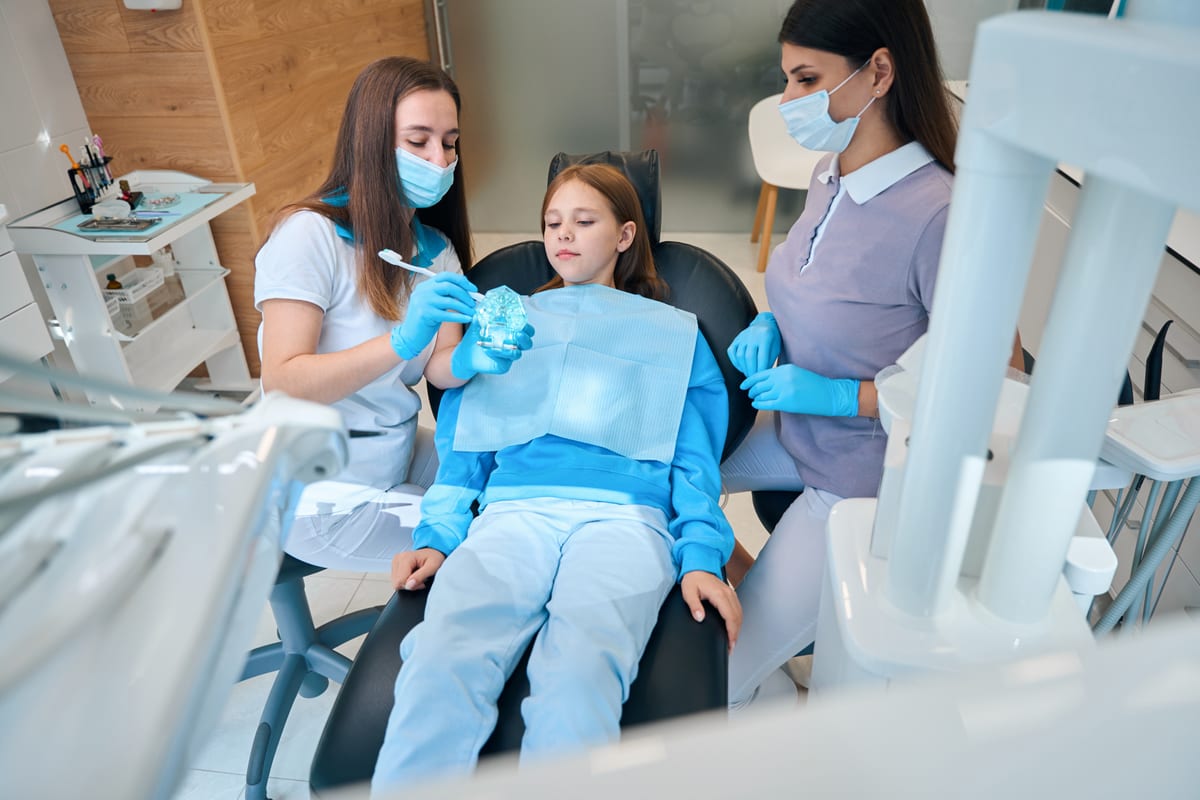
Pediatric dentists specialize in treating children and are trained to handle their unique needs and anxieties. They often have child-friendly offices designed to make young patients feel comfortable.
Meet and Greet
Arrange a visit to the dental office before the appointment. This allows your child to meet the dentist, see the equipment, and become familiar with the surroundings without the pressure of an actual check-up.
Strategies During the Dental Visit
Comfort Items
Allow your child to bring a favorite toy or blanket to the appointment. Familiar items can provide comfort and a sense of security.
Parental Presence
Depending on your child’s age and level of anxiety, it may be beneficial for you to stay in the room during the examination. Your presence can be reassuring and help them feel more at ease.
Distraction Techniques
Dentists often use distraction techniques, such as playing videos or music, to divert the child’s attention from the procedure. Discuss these options with your dentist beforehand.
Post-Visit Practices
Celebrate Success
After a successful dental visit, celebrate your child’s achievement. Acknowledge their courage and discuss any positive aspects of the experience, reinforcing the idea that dental visits are beneficial and manageable.
Maintain Routine
As your dentist recommends, regular dental visits help normalize the experience and reduce anxiety over time. Consistency is key to building a positive attitude toward dental care.
Additional Tips for Parents
Educate Your Child
Teach your child about the importance of dental health in a fun and engaging way. Books, videos, and games about dental hygiene can make learning enjoyable and less intimidating.
Model Good Behavior
Children often mimic their parents’ behavior. By demonstrating your positive attitude towards dental visits, you can set a good example for your child.
Address Specific Fears
If your child has specific fears, discuss them openly and honestly. Address their concerns and provide accurate information to dispel any myths or misconceptions.
When to Seek Professional Help
Severe Anxiety
If your child’s anxiety is severe and unmanageable, consider seeking help from a child psychologist or a therapist specializing in pediatric anxiety. Cognitive-behavioral therapy (CBT) is effective in treating dental anxiety.
Sedation Dentistry
In extreme cases, sedation dentistry may be an option. Discuss this with your dentist to determine if it’s appropriate for your child’s situation.
Conclusion
Overcoming dental anxiety in children requires patience, understanding, and a proactive approach. By preparing your child, choosing the right dentist, and employing various strategies to ease their fears, you can help them develop a positive attitude towards dental care. Remember, the goal is to maintain your child’s oral health without causing undue stress or anxiety.
For parents in Englewood seeking expert dental care for their children, we are well-equipped to provide a supportive and comfortable environment for young patients.


New Patients & Emergency Appointments Welcome!
