
Board-Certified
Pediatric Dentists
Pediatric Dentistry: Tips for Keeping Your Child’s Teeth Healthy



Ensuring your child’s teeth remain healthy is a critical aspect of their overall well-being. Good dental habits formed early can last a lifetime and prevent a multitude of oral health issues. Here are some essential tips for maintaining your child’s dental health, along with relevant data and facts.
Start Early: The Importance of Baby Teeth
Why Baby Teeth Matter
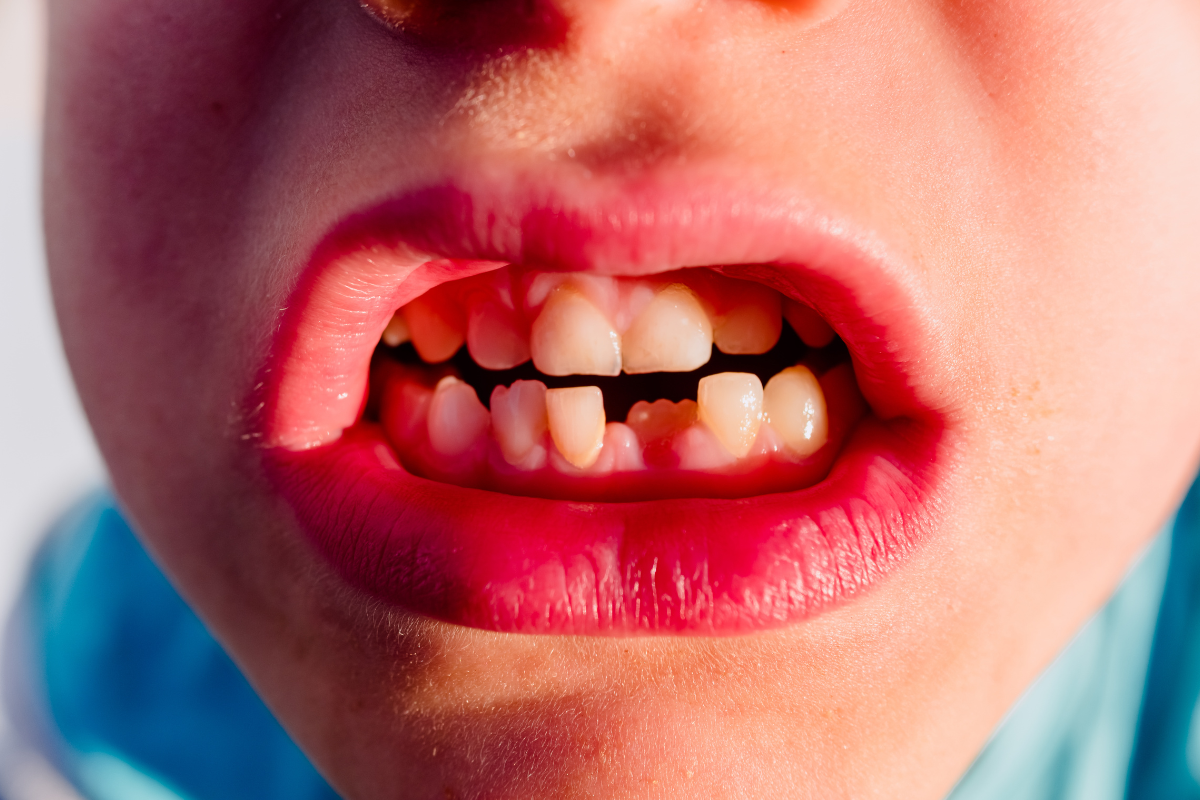
Many parents may not realize the significance of baby teeth, thinking they’ll fall out eventually. However, these teeth play crucial roles. They help children chew food properly, speak clearly, and maintain space for permanent teeth. According to the American Dental Association (ADA), untreated cavities in baby teeth can lead to pain, infection, and problems with eating, speaking, and learning.
First Dental Visit
The ADA recommends that a child’s first dental visit should occur within six months of their first tooth appearing, but no later than their first birthday. This early visit helps to establish a dental home and allows the dentist to monitor the child’s oral development.
Daily Dental Care Routine
Brushing and Flossing
Teach your child to brush their teeth twice a day with fluoride toothpaste. For children under three, use a smear of toothpaste the size of a grain of rice. For those aged three to six, use a pea-sized amount. Flossing should begin when two teeth touch. Supervising your child’s brushing until they are about eight years old ensures they are doing it correctly.
Healthy Eating Habits
Diet plays a significant role in dental health. Limit sugary snacks and drinks, which contribute to tooth decay. Encourage a balanced diet rich in fruits, vegetables, and dairy products. According to the Centers for Disease Control and Prevention (CDC), consuming a variety of nutrient-rich foods promotes healthy teeth and gums.
Preventive Measures
Fluoride Treatments
Fluoride is a mineral that helps prevent tooth decay by making teeth more resistant to acid attacks from plaque, bacteria, and sugars. Your dentist may recommend fluoride treatments during routine check-ups. The CDC states that children who drink fluoridated water and use fluoride toothpaste regularly have fewer cavities.
Dental Sealants
Dental sealants are thin, protective coatings applied to the chewing surfaces of the back teeth (molars). They can prevent cavities for many years. The CDC reports that sealants can protect against 80% of cavities for two years and continue to protect against 50% of cavities for up to four years.
Handling Dental Emergencies
Toothaches
If your child complains of a toothache, rinse their mouth with warm water and check for food stuck in the teeth. Apply a cold compress to reduce swelling, but avoid placing aspirin on the tooth or gums. Contact your dentist for further advice.
Knocked-Out Tooth
In case of a knocked-out baby tooth, contact your dentist immediately. Do not attempt to reinsert it. For a knocked-out permanent tooth, rinse it gently without scrubbing and try to reinsert it in the socket. If that’s not possible, store it in milk and see a dentist right away. Quick action can often save the tooth.
Teaching Good Oral Hygiene Habits
Make Brushing Fun
Making dental care enjoyable encourages children to adopt good habits. Use a fun toothbrush, play their favorite song while they brush, or create a reward system for consistent brushing.
Educate Your Child
Teaching your child the importance of oral hygiene can empower them to take responsibility for their dental health. Use age-appropriate books, videos, and activities to educate them about the importance of brushing, flossing, and visiting the dentist.
Regular Dental Check-Ups
Importance of Routine Visits
Regular dental visits are crucial for maintaining your child’s oral health. These visits allow the dentist to catch and treat issues early, provide professional cleanings, and offer personalized advice. The ADA suggests that children visit the dentist every six months or as recommended by their dentist.
What to Expect During a Visit
During a dental check-up, the dentist will examine your child’s teeth, gums, and mouth, check for any signs of cavities or other issues, and provide a professional cleaning. They may also apply fluoride treatments or sealants as needed.
Conclusion
Keeping your child’s teeth healthy requires a combination of good daily habits, a healthy diet, preventive measures, and regular dental visits. By starting early and teaching your child the importance of oral hygiene, you can help ensure they have a healthy smile that lasts a lifetime. Remember, a smile is the most universal human expression, and a healthy one can light up your child’s face and inspire confidence and trust in others. Make sure to consult with your pediatric dentist to tailor these tips to your child’s specific needs.


New Patients & Emergency Appointments Welcome!
