
Board-Certified
Pediatric Dentists
Soothe Those Little Gums: An Expert Pediatric Dental Guide To Teething Relief



Watching your baby grow is truly amazing. Then, the drooling starts, fussiness increases, and a tiny tooth emerges! Teething can be a challenging, yet normal, developmental stage. It brings discomfort for your little one. As a parent, you want to help. This guide offers practical, expert-backed tips. You’ll make teething easier for everyone involved.
Recognizing Teething Signs
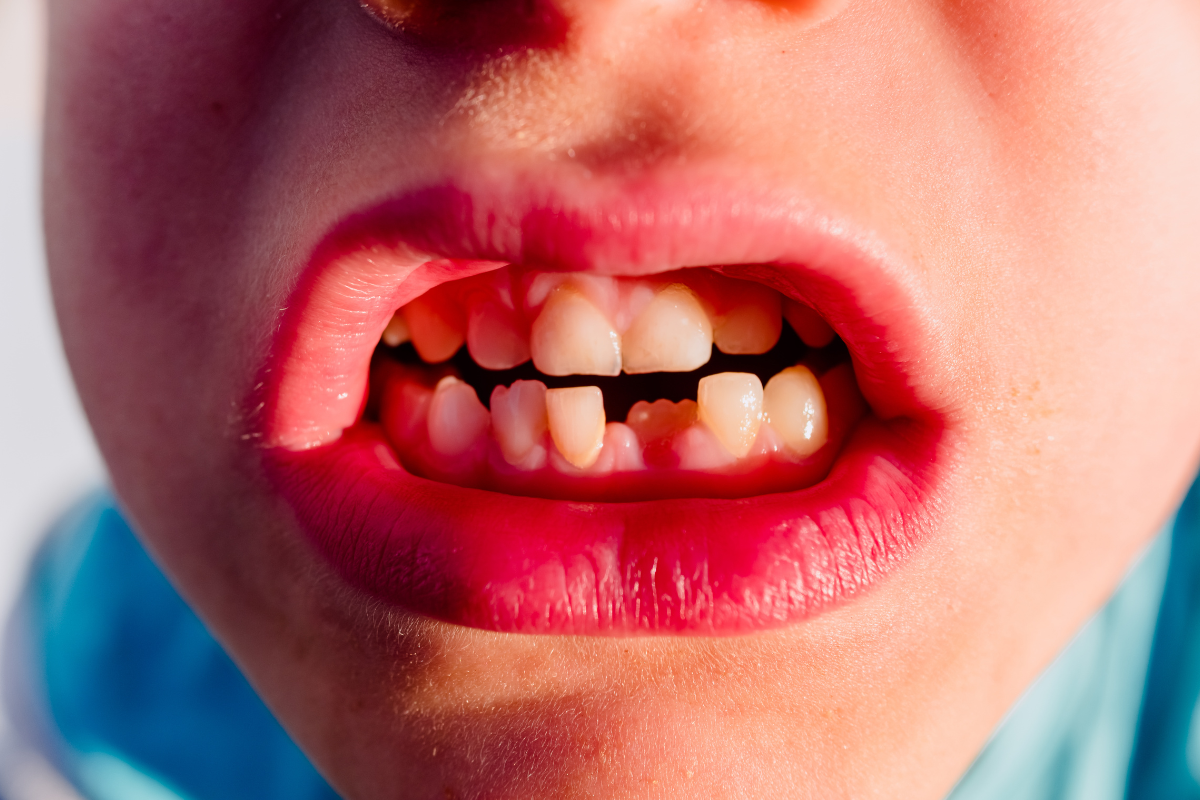
How do you know it’s teething? Common signs include increased drooling. Your baby might chew on everything. They often become more irritable. Sleep patterns can definitely change. Gums might look swollen and red. Some babies develop a low-grade fever. Others experience mild diarrhea. Every child reacts differently. Observe your baby closely for these cues.
Gentle Gum Care for Comfort
Soothe those tender gums effectively. Offer a clean, cool washcloth for chewing. A chilled, not frozen, teething ring provides relief. Gently massage their gums with a clean finger. This can offer immediate comfort. A soft silicone finger brush also works well. These methods provide safe, natural relief.
Selecting Safe Teething Toys
Many toys offer comfort during teething. Choose only safe, age-appropriate options. Silicone teethers are very popular and effective. Smooth wooden teethers can also be good choices. Always supervise playtime closely. Ensure all toys are easy to clean. Avoid any small parts that could pose a choking hazard. Some parents find mesh feeders useful. Fill them with frozen fruit for a cool, safe chew.
Understanding Pain Relief Options
Sometimes, discomfort from teething is severe. Over-the-counter pain relievers can help. Infant acetaminophen is a common option. Ibuprofen is another choice for babies over six months. Always follow dosage instructions carefully. Consult your pediatrician before administering any medication. Avoid topical teething gels containing benzocaine. This ingredient is not recommended for infants due to potential side effects.
When to Consult a Pediatric Dentist
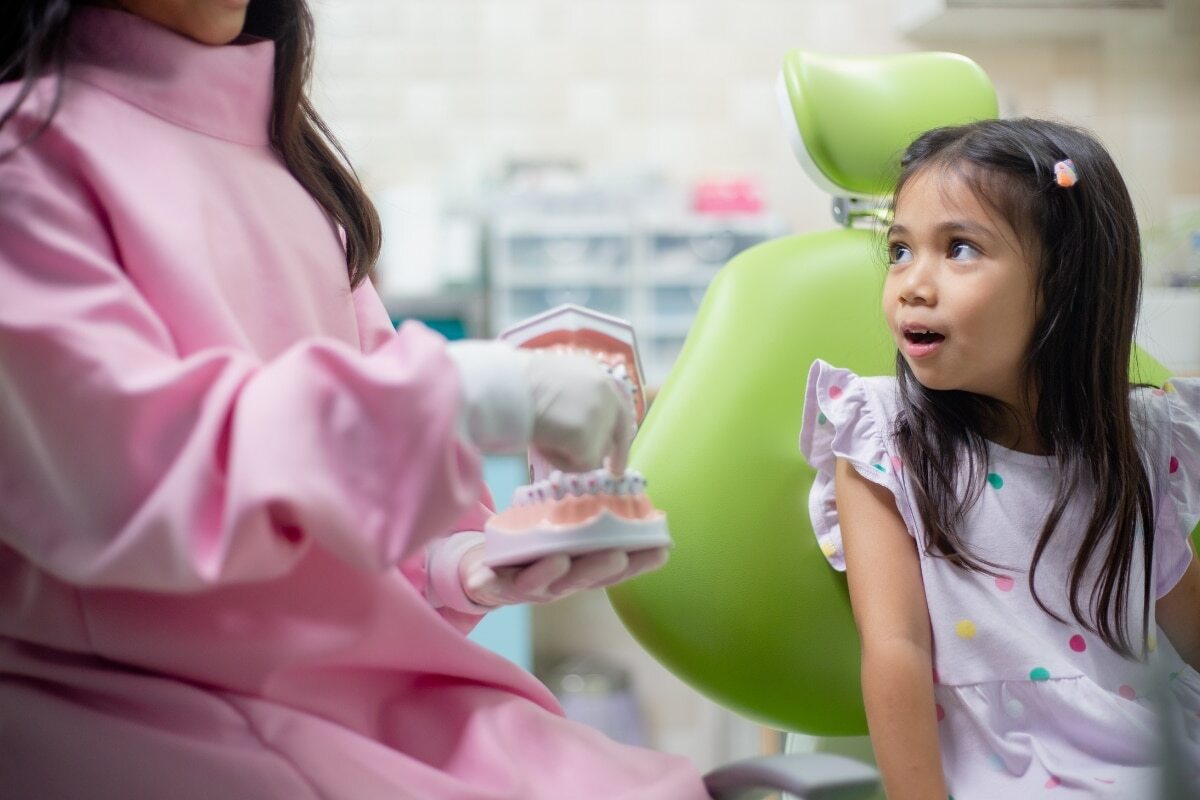
Teething is natural, but professional dental care is crucial. Even tiny teeth need attention. Schedule your child’s first dental visit early. This should happen by age one. Alternatively, schedule it when their first tooth appears, whichever comes first. This initial visit is vital. A pediatric dentist in Englewood can provide expert guidance. They check for proper dental development. They also offer essential preventive care. Early visits establish a strong foundation for lifelong oral health.
Essential Dental Hygiene Practices
Start good oral hygiene habits early. Wipe your baby’s gums daily using a soft, damp cloth. Once teeth emerge, begin brushing gently. Use a tiny smear of fluoride toothpaste, about the size of a grain of rice. A soft-bristled infant toothbrush is ideal. Brush twice a day to prevent early cavities. A pediatric dentist in Englewood will teach you proper techniques. They provide personalized advice for your child’s unique needs.
Addressing Other Teething Concerns
Is your baby struggling immensely? Are fevers high? Is there significant, persistent pain? Do not hesitate to call your pediatrician. They can rule out other potential health issues. Sometimes, teething symptoms can mimic illness. A professional medical opinion is always valuable. Remember, you are doing a great job. Teething phases are temporary, and they will pass.
Your Partner in Oral Health
Teething can be challenging for both baby and parent. But with patience and the right strategies, you will navigate it successfully. Focus on providing comfort. Maintain excellent early oral hygiene. And always remember your dedicated pediatric dentist in Englewood. They are your best resource for ensuring your child’s healthy, bright smile.
Ready to support your child’s developing smile and navigate the teething stage with confidence? Schedule an appointment today with a trusted pediatric dentist in Englewood to discuss your child’s oral health needs!

New Patients & Emergency Appointments Welcome!
