
Board-Certified
Pediatric Dentists
Understanding Sedation Options In Pediatric Dentistry


Visiting the dentist can be a daunting experience for many children, and dental anxiety can make it even more challenging. To ensure that children receive the necessary dental care without unnecessary stress, sedation options in pediatric dentistry are available. These options help children relax, feel comfortable, and receive the essential dental treatments they need. Here’s a closer look at sedation options in pediatric dentistry.
Nitrous Oxide (Laughing Gas):
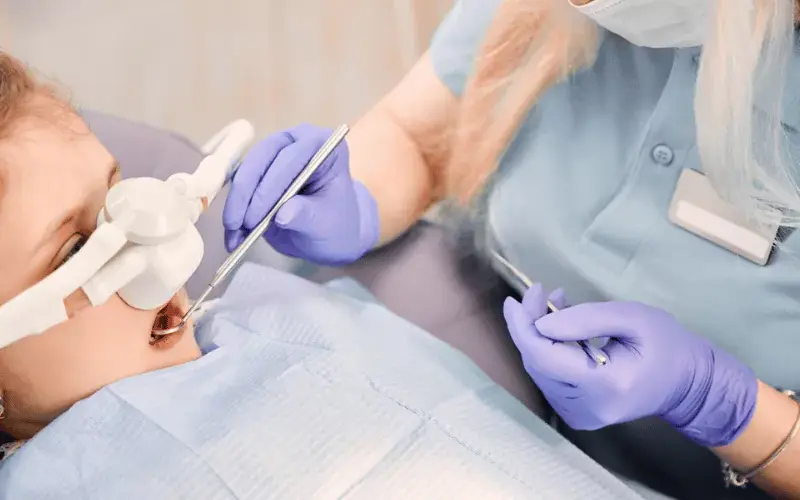
Nitrous oxide is a safe and commonly used form of sedation for children. It is administered through a small mask placed over the child’s nose. Nitrous oxide induces a feeling of relaxation and euphoria while allowing the child to remain conscious and responsive during the procedure. Once the procedure is complete, the effects wear off quickly.
Oral Sedation:
Oral sedation involves the use of medications in liquid or pill form to help children relax during dental treatments. The child takes the medication before the appointment, and it can range from mild to moderate sedation. Children may become drowsy or fall asleep but can be easily awakened. Oral sedation is often used for more complex or lengthy procedures.
Intravenous (IV) Sedation:
Intravenous sedation is administered through a vein, and it provides a higher level of sedation. Children under IV sedation are closely monitored by an anesthesiologist or a dental professional. This form of sedation is typically reserved for more extensive dental procedures or for children with severe anxiety.
General Anesthesia:
General anesthesia is the most profound form of sedation and renders the child completely unconscious. It is typically used for extensive oral surgeries or complex dental treatments. An anesthesiologist administers and monitors the anesthesia during the procedure.
Local Anesthesia:
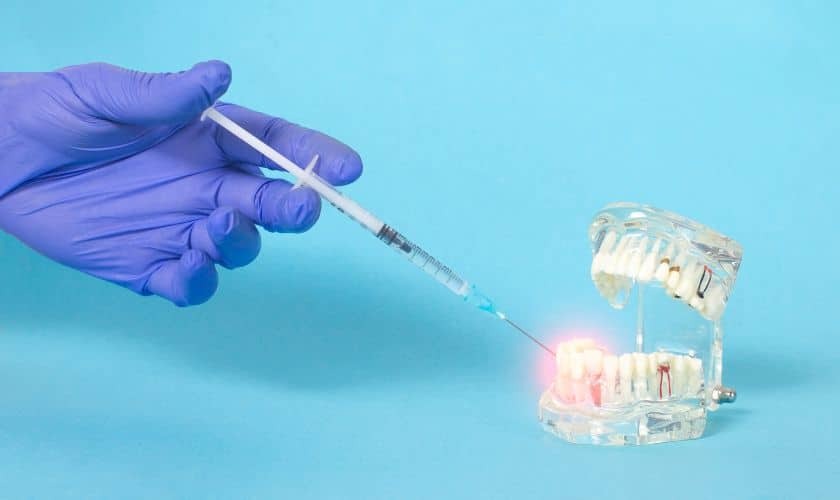
In addition to sedation options, local anesthesia, such as numbing gel or injections, can be used to minimize discomfort during dental treatments. While not a sedation method in itself, local anesthesia can enhance the child’s comfort during procedures.
Selecting the Appropriate Sedation:
The choice of sedation method depends on factors like the child’s age, the complexity of the procedure, and the child’s level of dental anxiety. A pediatric dentist will carefully assess these factors to determine the most suitable sedation option.
Safety and Monitoring:
Sedation in pediatric dentistry is administered by trained professionals who prioritize safety. The child’s vital signs are closely monitored throughout the procedure to ensure their well-being.
Preparing For Sedation:
If your child will receive sedation, follow the dentist’s pre-sedation instructions, which may include fasting before the appointment and any necessary medical evaluations.
Post-Sedation Care:
Depending on the level of sedation, your child may need time to recover after the procedure. It’s important to follow post-sedation care instructions and ensure that your child is closely supervised as they regain full alertness.
The Bottom Line
Sedation options in pediatric dentistry can make a significant difference in ensuring that children receive necessary dental care without unnecessary anxiety or stress. These options are carefully selected based on each child’s unique needs, the nature of the procedure, and their level of comfort. By working with a qualified pediatric dentist, you can choose the most appropriate sedation option to help your child maintain their oral health with minimal stress.

New Patients & Emergency Appointments Welcome!
