
Board-Certified
Pediatric Dentists
Why Early Braces Can Prevent Bigger Problems Later


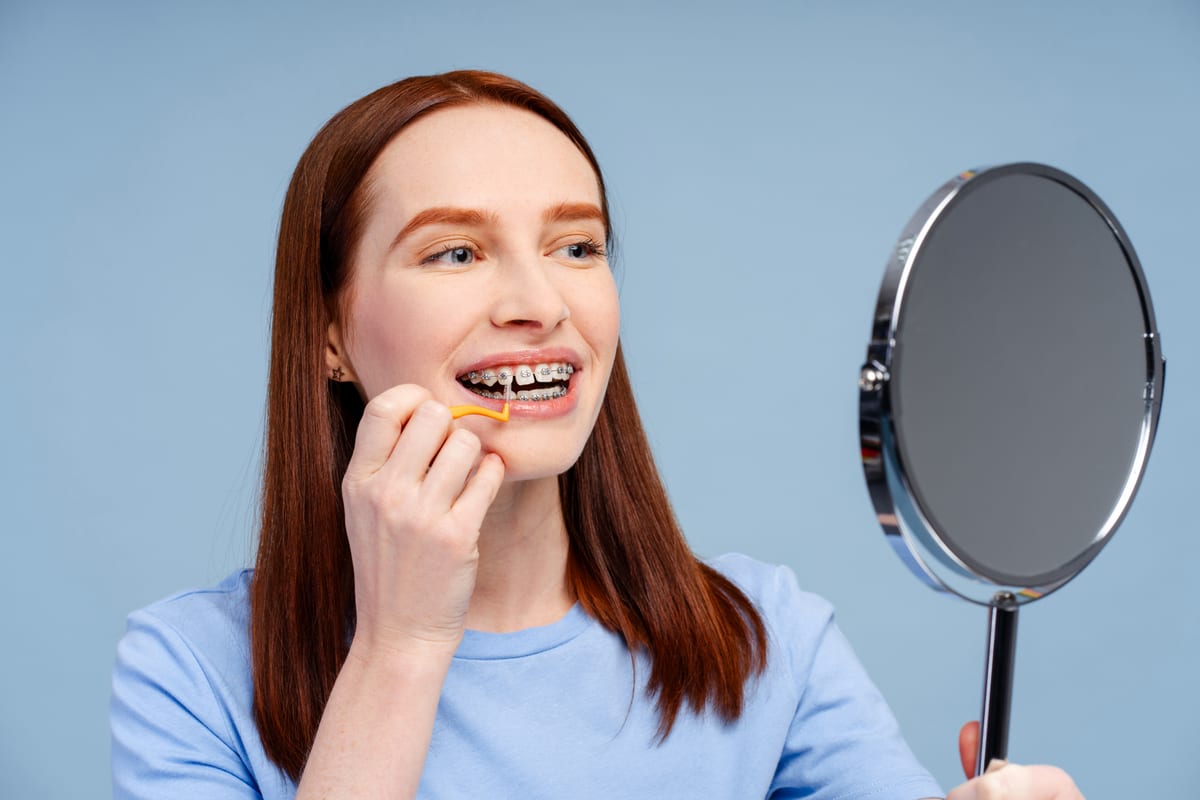
Many Englewood parents wonder if their child really needs braces so soon. Understanding why early braces can prevent bigger problems later in Englewood is one of the most important things a parent can do. Acting at the right time can save your child from years of complicated treatment. At Rocky Mountain Kids Dentistry, Dr. Lane Bland helps families make confident, informed decisions about their child’s smile.
Orthodontic problems rarely fix themselves on their own. In fact, most issues become harder and more expensive to treat the longer they go unaddressed. Early evaluation gives us a window of opportunity that simply does not exist in adulthood. This article explains what early orthodontic care is, why timing matters, and what happens when families wait too long.
What Is Early Orthodontic Treatment in Englewood?
Early orthodontic treatment — sometimes called Phase 1 treatment — typically begins between ages 7 and 10. At this stage, your child still has a mix of baby teeth and permanent teeth. That combination actually gives Dr. Bland a unique advantage. We can guide jaw growth and tooth positioning while the bones are still developing.
The American Association of Orthodontists recommends a first orthodontic screening by age 7. This does not mean every child needs braces at 7. It means problems are easiest to spot and correct during this window. Some children benefit from simple appliances, while others may need traditional braces a few years later.
Early treatment is not about rushing your child through orthodontics. It is about catching the right problems at the right time. When we identify issues early, we often reduce the complexity of future treatment significantly. In some cases, we can even eliminate the need for tooth extractions or jaw surgery down the road.
Why Early Braces Can Prevent Bigger Problems Later — Common Issues We Catch Early
Certain orthodontic problems respond exceptionally well to early intervention. Waiting on these specific conditions almost always leads to more serious consequences. Dr. Bland and the team at Rocky Mountain Kids Dentistry look for several key warning signs during routine checkups.
Here are common problems that early braces and orthodontic appliances can address effectively:
- Crossbites: When upper and lower teeth do not align properly side to side, it can cause uneven jaw growth over time.
- Overcrowding: Too many teeth competing for limited space can lead to permanent teeth erupting in the wrong positions.
- Protruding front teeth: Upper teeth that stick out significantly are more vulnerable to trauma and fracture during falls or sports.
- Underbites: When lower teeth sit in front of upper teeth, early appliances can guide the jaw into a healthier position.
- Open bites: A gap between upper and lower front teeth can affect chewing, speech, and facial development.
- Thumb sucking effects: Prolonged thumb or finger habits can push teeth out of alignment and narrow the upper arch.
Each of these problems becomes significantly harder to correct once your child’s jaw finishes growing. Acting early means working with the body’s natural development instead of against it.
What Happens When Families Wait Too Long
Delaying orthodontic care is one of the most common mistakes well-meaning parents make. It is easy to assume your child will grow out of the problem. Unfortunately, that rarely happens with structural jaw and bite issues.
When an underbite or crossbite goes untreated through childhood, the jaw often develops unevenly. By the teenage years, correcting that unevenness may require more than braces. Some teens end up needing jaw surgery that could have been avoided entirely with earlier care.
Overcrowding that is not addressed early can force permanent teeth into crooked or sideways positions. Those teeth are then harder to clean properly. Poor cleaning leads directly to cavities and gum problems. The orthodontic issue becomes a cavity issue, and suddenly the treatment plan is far more involved.
Protruding front teeth present another risk most parents do not think about. Children with teeth that stick out significantly are statistically more likely to chip or knock out those teeth during everyday activities. Reducing that protrusion early protects the teeth that your child will have for the rest of their life. Emergency Dental Care Englewood is always available when accidents happen, but prevention is always the better path.
How Dr. Lane Bland Approaches Early Orthodontic Evaluations
At Rocky Mountain Kids Dentistry, orthodontic evaluations are gentle, thorough, and completely child-friendly. Dr. Bland takes time to explain findings to parents in clear, simple language. There is never any pressure to begin treatment before it is truly needed.
During an evaluation, Dr. Bland examines your child’s bite, jaw alignment, and tooth spacing. Digital X-rays help us see teeth that have not yet erupted. We look at the big picture of how your child’s smile is developing over time. This full view allows us to create a personalized timeline that fits your child’s unique growth pattern.
Many of our patients in Englewood benefit from ongoing Dental Wellness Englewood care that includes regular monitoring of tooth development. Catching shifts early means we adjust plans before small issues become costly problems. Preventive and wellness-focused dentistry is at the heart of everything we do.
Here is what you can expect during a first orthodontic evaluation at our Englewood office:
- Visual examination: Dr. Bland checks bite alignment, jaw symmetry, and tooth positioning.
- Digital X-rays: We get a clear picture of developing permanent teeth beneath the gumline.
- Growth assessment: We evaluate how your child’s jaw and facial bones are developing.
- Parent consultation: Dr. Bland walks you through findings and explains all available options clearly.
- Personalized timeline: Together, we decide if early treatment is needed now or if monitoring is the right step.
Signs Your Englewood Child May Need an Orthodontic Evaluation Now
You do not always have to wait for your dentist to bring up orthodontics. As a parent, you are often the first to notice something looks or feels different. Trust your instincts and bring your concerns to Dr. Bland at your next visit.
Watch for these signs that your child may benefit from an early evaluation:
- Teeth that appear noticeably crowded or overlapping
- An upper or lower jaw that seems to jut forward or recede
- Difficulty biting or chewing food properly
- Mouth breathing or snoring at night
- Speech issues such as lisping that have not resolved
- Losing baby teeth much earlier or later than expected
- Teeth that do not meet when your child bites down
None of these signs guarantee your child needs braces immediately. They do mean an evaluation is a smart next step. Early conversations lead to better outcomes, every time.
Frequently Asked Questions
At what age should my child have their first orthodontic screening?
The American Association of Orthodontists recommends a first screening by age 7. This allows Dr. Bland to identify developing problems while your child’s jaw is still growing and most treatable.
Does early orthodontic treatment mean my child will need braces twice?
Not always. Some children complete all their orthodontic treatment in Phase 1. Others may need a shorter Phase 2 in their teens. However, Phase 1 almost always makes any future treatment faster and less complex.
Are early braces painful for children?
Most children experience mild soreness for a few days after braces or appliances are placed or adjusted. This discomfort is normal and typically manageable with soft foods and over-the-counter pain relief as directed by Dr. Bland.
What if my child has a mix of baby teeth and permanent teeth — can we still start?
Yes. In fact, having a mix of baby and permanent teeth is precisely when early treatment works best. Dr. Bland can use the natural growth process to guide jaw development and tooth positioning more effectively.
How is Rocky Mountain Kids Dentistry different from a general dentist for orthodontic concerns?
Dr. Lane Bland specializes exclusively in children’s dentistry. Our entire practice is designed with children and their developmental needs in mind. From the environment to the treatment approach, everything at Rocky Mountain Kids Dentistry is tailored specifically for young patients ages 0 to 17.
Early orthodontic care is one of the most meaningful investments you can make in your child’s long-term health. Problems that are simple to correct today can become complicated and costly if left alone for years. Dr. Lane Bland and the team at Rocky Mountain Kids Dentistry are here to guide your Englewood family every step of the way. Book Now to schedule your appointment with our team.
New Patients & Emergency Appointments Welcome!
