Board-Certified
Pediatric Dentists
12 Winter Dental Care Tips for Kids: Protecting Young Smiles



As the cold weather sets in and the holiday season kicks off, it’s easy to get caught up in the festivities. But it’s also a great time to focus on winter dental care for kids, helping their teeth stay healthy and strong despite the cold and all those sweet holiday treats. Many children experience tooth sensitivity, especially when eating or drinking something hot or cold.
Winter brings its own set of challenges for young smiles, like dry air, cold temperatures, and an increase in sugary snacks, which can all contribute to cavities. In fact, the Centers for Disease Control and Prevention (CDC) reports that more than half of children aged 6 to 8 have had at least one cavity in their baby (primary) teeth.
Taking a few simple steps to care for your child’s teeth can help prevent discomfort, cavities, and other dental issues during these chilly months. Here’s a look at 12 winter dental care tips for kids to keep your little one’s smile healthy and bright all winter long.
Table of Contents
- Maintain Consistent Brushing Habits
- Use Fluoride Toothpaste for Extra Protection
- Floss Regularly
- Drink Plenty of Water
- Avoid Excessive Sugar Intake
- Offer Healthy Winter Snacks
- Avoid Chewing on Ice or Hard Objects
- Use Lip Balm to Prevent Chapped Lips
- Keep a Humidifier in the Bedroom
- Bundle Up to Protect the Jaw
- Check for Tooth Sensitivity
- Schedule Regular Dental Visits
- Conclusion
12 Winter Dental Care Tips for Kids
1. Maintain Consistent Brushing Habits
When the weather gets cold, it’s tempting to spend more time indoors cozying up by the fire or playing winter sports, but don’t let your child’s oral hygiene slip. Keeping up with brushing is vital in winter, especially as your child may be eating more seasonal snacks and treats.
Brushing twice a day—in the morning and before bed—is the foundation of good oral care. If possible, encourage your child to brush after lunch as well, particularly if they’ve had sweet holiday snacks or drinks. Regular brushing removes plaque and food particles, helping to protect their teeth from cavities and gum issues.
2. Use Fluoride Toothpaste for Extra Protection
Tooth sensitivity can become a problem in winter, as the cold air and temperature fluctuations make teeth more sensitive to hot and cold foods or drinks. Switching to a fluoride toothpaste that’s designed for sensitive teeth can help reduce discomfort.
Fluoride strengthens enamel and provides a protective barrier against sensitivity, ensuring that your child’s teeth remain strong even during the colder months.
3. Floss Regularly
Flossing is one of the most effective ways to clean areas that a toothbrush can’t reach. It’s especially important during the winter when your child is consuming more sugary or sticky treats.
Flossing helps remove food particles stuck between teeth, which can lead to plaque buildup and eventually cavities if not removed. Try to make flossing a fun activity to keep your child engaged, and do it once a day, preferably in the evening after their last meal.
| Also Read This Blog – Good Oral Health Habits for Kids |
4. Drink Plenty of Water
In winter, dehydration can sneak up on kids, especially when they’re bundled up inside with heated homes. Dry air can also lead to dry mouth, a condition that makes it harder for saliva to wash away food and bacteria.
Encourage your child to drink plenty of water throughout the day. Staying hydrated not only helps with dry mouth but also promotes healthy saliva flow, which is essential for maintaining good oral health.
5. Avoid Excessive Sugar Intake
The winter months often come with an abundance of sugary snacks, from Christmas cookies to hot chocolate topped with marshmallows. While it’s okay to indulge occasionally, excessive sugar intake can lead to tooth decay and cavities.
Help your child make healthier choices by offering treats in moderation. If they do have sugary foods, make sure they brush their teeth afterward to prevent sugars from lingering on their teeth and causing damage.
6. Offer Healthy Winter Snacks
When you’re searching for healthy winter snacks, choose options that help keep your child’s teeth clean and strong. Fresh fruits, like apples and pears, are great choices. Vegetables, like carrots and celery, are crunchy and can help scrape away plaque from the teeth.
Additionally, dairy products, such as cheese or yogurt, are full of calcium and can help strengthen teeth and bones. Offering these healthy snacks not only nourishes your child but also supports their oral health.
7. Avoid Chewing on Ice or Hard Objects
It’s common for kids to enjoy chewing on ice or frozen treats, especially when they’re outside playing in the snow. However, chewing on ice cubes or other hard objects can damage teeth and cause dental emergencies, like cracked or chipped teeth.
Encourage your child to enjoy ice in their drinks without chewing it, and keep them away from hard candies and objects that could potentially harm their teeth.
8. Use Lip Balm to Prevent Chapped Lips
Cold winter air can leave lips feeling dry and cracked, which can be painful and uncomfortable. Using a lip balm with SPF is an easy way to prevent chapped lips and protect the delicate skin on their lips from drying out.
Keeping the lips moisturized can also prevent sores from forming, reducing the risk of infection and making sure your child is comfortable no matter the weather.
9. Keep a Humidifier in the Bedroom
The winter air tends to be dry, which can cause moisture to be sucked from your child’s mouth, leaving them with dry mouth. This condition can lead to difficulty swallowing and discomfort.
One way to address this is by using a humidifier in your child’s bedroom at night. A humidifier helps keep moisture in the air, preventing the mouth from drying out and ensuring they get a comfortable night’s sleep.
10. Bundle Up to Protect the Jaw
Winter weather can make your child’s jaw muscles tense, especially if they’re prone to teeth grinding or clenching.
To reduce jaw tension, encourage your child to stay warm by wearing scarves or jackets that cover the neck area. Staying warm helps prevent jaw tightness and reduces the likelihood of dental discomfort.
11. Check for Tooth Sensitivity
If your child experiences sharp pain when eating hot or cold foods or drinks, this may be a sign of tooth sensitivity.
This problem can be more pronounced during the winter months when temperature changes are frequent. Don’t ignore these signs—early treatment can help avoid long-term issues.
12. Schedule Regular Dental Visits
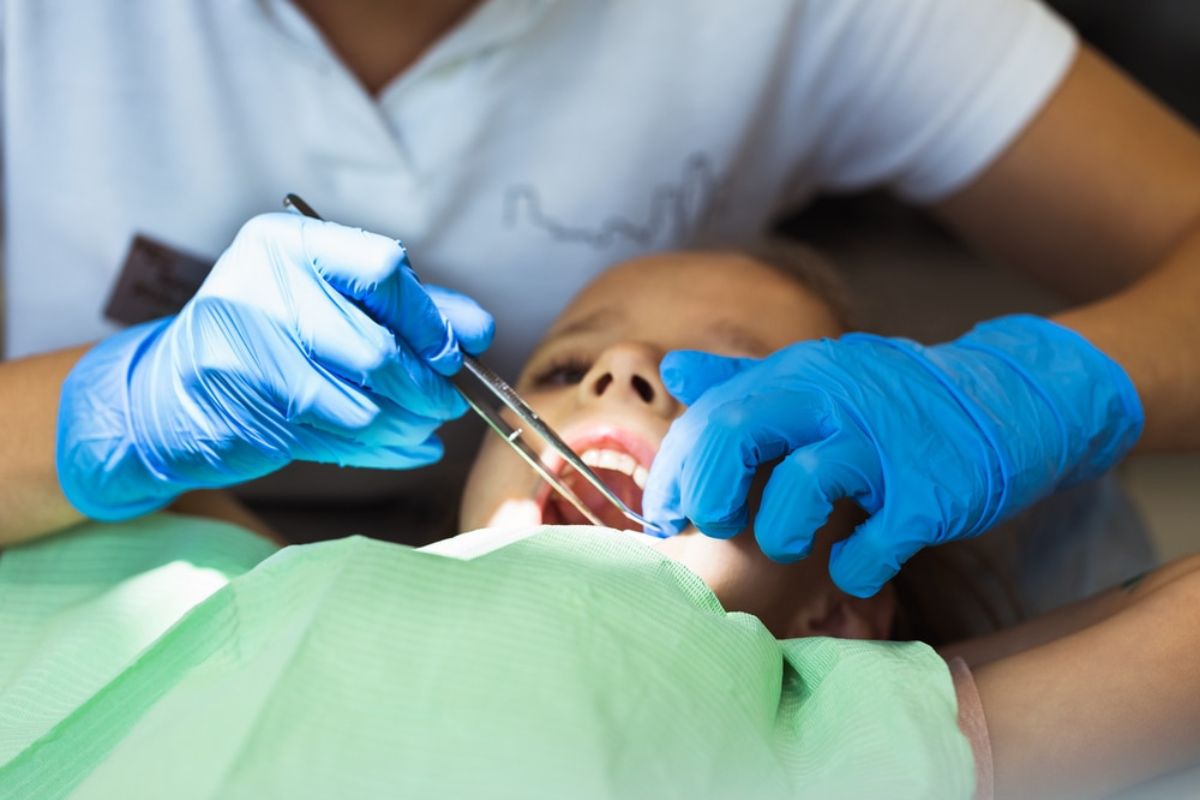
One of the best ways to protect your child’s smile throughout the winter is by keeping up with regular dental visits.
A professional cleaning and exam every six months ensures that your child’s teeth stay in top shape, and it gives you the opportunity to catch any issues before they become more serious.
Conclusion
Winter can be tough on young smiles, but with a little extra care, your child can sail through the season with a healthy, happy smile.
From maintaining consistent brushing habits to staying hydrated and offering healthy snacks, these winter oral care tips for kids will help you protect your child’s teeth during the colder months.
If you need any type of dental care in Englewood, Colorado for your child, don’t hesitate to schedule an appointment with us today. At Rocky Mountain Kid Dentistry, we’re here to support you in keeping your child’s smile healthy all year long.


New Patients & Emergency Appointments Welcome!
