Board-Certified
Pediatric Dentists
8 Key Signs Your Child is Ready for Oral Conscious Sedation


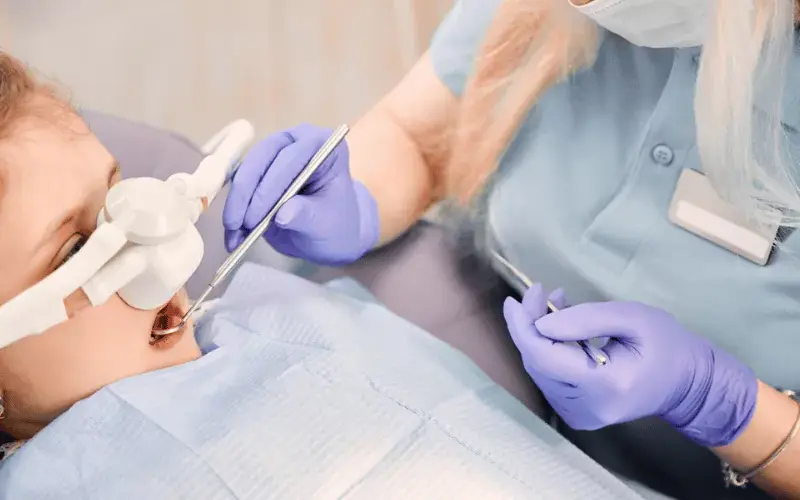
As a parent, it’s natural to feel concerned about your child’s dental visits, especially if they experience fear or anxiety at the thought of treatment. Fortunately, oral conscious sedation is a safe and effective solution that can help ease your child’s nerves and make their dental experience more comfortable.
But how can you tell if your child is ready for oral sedation? According to the Cleveland Clinic, sedation dentistry can benefit people of all ages, including children. But what makes them ready?
Understanding the signs for kids oral sedation can help guide your decision and ensure your child gets the dental care they need without unnecessary stress.
What is Oral Conscious Sedation?
Oral conscious sedation is a form of sedation that involves giving your child a medication by mouth to help them relax during dental procedures. It doesn’t put your child to sleep like general anesthesia, but instead, it keeps them awake while they remain calm and relaxed.
Oral sedation is a popular choice for children who experience anxiety or fear about visiting the dentist, as it helps manage pain and discomfort while making the procedure more tolerable. It’s also useful for longer or more complex treatments, or for children who find it difficult to sit still during procedures.
The method is safe, effective, and carefully monitored by the dentist to ensure your child’s comfort throughout. Now, let’s explore 8 key signs that can indicate your child is ready for oral conscious sedation:
8 Signs To Know If Your Child is Ready for Oral Conscious Sedation
1. Your Child is Anxious About Dental Visits
Fear of the dentist is common among children, and it can manifest in various ways, such as nervousness, crying, or tantrums. If your child constantly feels anxious at the thought of going to the dentist, oral conscious sedation may be the solution to help them stay calm and relaxed during their visit.
Sedation allows your child to undergo treatment while staying conscious but relaxed, making it easier for the dentist to complete the procedure without any distress.
If your child’s anxiety has led to skipped appointments or avoidance of necessary dental care, it’s time to consider oral sedation.
2. They Have a Low Pain Threshold
Every child reacts differently to pain, and some may be more sensitive than others. If your child has a low pain tolerance and gets easily upset by minor discomfort, oral conscious sedation can help them relax and minimize any pain or discomfort they might experience during the procedure.
This is especially important for dental treatments that may involve more invasive procedures like fillings, extractions, or root canals.
Signs for kids oral sedation include the need for comfort and pain management during dental work, ensuring that your child is as comfortable as possible throughout the entire process.
3. They Need Extensive Dental Work
Some children require extensive dental treatment due to tooth decay, misalignment, or other oral health issues. If your child needs multiple fillings, crowns, or even extractions, oral sedation can help keep them relaxed during longer, more involved procedures.
Instead of scheduling multiple visits, oral sedation can allow your child to complete the work in a single session.
This reduces the number of appointments and makes the entire experience less overwhelming for both you and your child.
4. Your Child Has Special Health Needs
Children with certain medical conditions or developmental disabilities may experience additional challenges when it comes to dental care.
These challenges can include difficulty sitting still, trouble understanding the importance of the procedure, or heightened anxiety.
Oral sedation is a valuable tool for making dental visits easier for children with special health needs. It allows the dentist to work effectively while keeping your child relaxed, calm, and safe.
5. Your Child is Unable to Sit Still for Long Periods
Some children, especially younger ones, may have difficulty sitting still for long periods of time, making it difficult for the dentist to complete their work.
If your child tends to get fidgety or restless during dental visits, oral sedation can help them stay still, allowing the dentist to perform the necessary procedures without interruption.
By choosing oral conscious sedation, you ensure that your child’s treatment goes smoothly, without the need for repeated attempts to get them to stay in one place.
6. They Have a Strong Fear of Needles
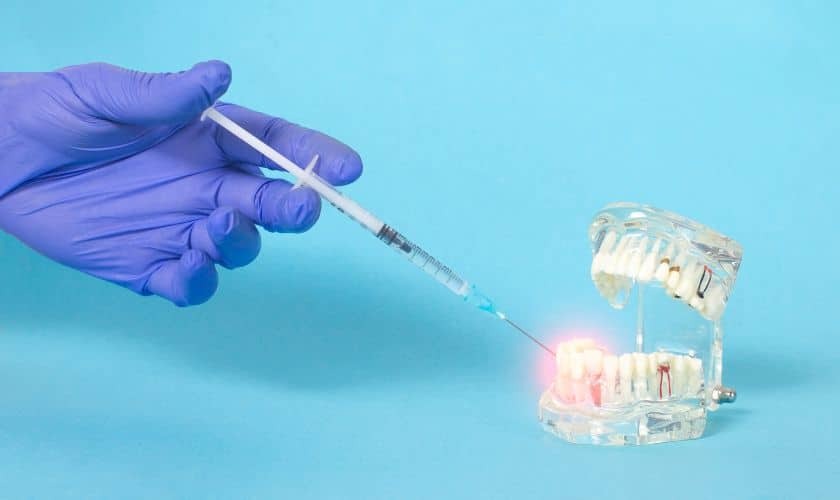
If your child is terrified of needles, it can make dental procedures that require local anesthesia extremely stressful. With oral sedation, there is no need for needles to numb the area before treatment.
This can help your child feel more at ease knowing that the process doesn’t involve painful or scary injections. By opting for oral sedation, your child can remain calm and relaxed, without the fear of needles or injections.
This is one of the most common signs for kids’ oral sedation that parents often recognize when they’re exploring options for anxiety-free dental visits.
7. Previous Dental Experiences Have Been Traumatic
If your child has had a negative or traumatic dental experience in the past, it may lead to a strong aversion to future visits. Negative associations can increase their anxiety, making it difficult to get the care they need.
Oral sedation can help by reducing your child’s anxiety and ensuring they feel more comfortable during their appointment.
This makes future visits less stressful and helps your child build positive associations with dental care.
8. Your Child Is Ready to Follow Simple Instructions
While oral sedation keeps your child relaxed and comfortable, it is important that they are still able to follow simple instructions, such as opening their mouth or sitting still for short periods.
Signs for kids oral sedation include the ability to listen and respond to basic guidance, which ensures the treatment is successful and safe.
If your child is able to follow instructions with ease and can stay relaxed for the duration of their appointment, they may be an ideal candidate for sedation.
Conclusion: Is Oral Sedation Right for Your Child?
If your child is displaying one or more of the signs for kids oral sedation, it may be a great option to consider.
Oral conscious sedation can help manage your child’s anxiety, pain, and restlessness, ensuring they have a more comfortable and stress-free dental experience.
If you believe oral sedation might benefit your child, it’s always best to consult with the trusted kid sedation dentist. They can evaluate your child’s specific needs and recommend the most appropriate course of action.
Ready to Talk to a Kid Sedation Dentist in Englewood, CO?
If you think oral sedation could be the right choice for your child, don’t hesitate to reach out. Our Kids Sedation Dentist in Englewood, CO can provide expert guidance and care for your little one, ensuring their comfort and safety throughout the entire procedure.
Call 720.673.9371 today to schedule an appointment at Rocky Mountain Kid Dentistry and learn more about how oral conscious sedation can help make your child’s dental visits easier and more comfortable.
FAQs About Oral Conscious Sedation for Kids
1. How does oral sedation work?
Oral sedation involves giving your child medication by mouth before the dental procedure. This helps them relax and feel calm, making it easier for the dentist to perform treatments.
2. Is oral sedation safe for my child?
Yes! Oral sedation is a safe and effective method, especially when administered by a trained pediatric dentist. Your child’s medical history will be reviewed to ensure there are no contraindications.
3. Will my child feel completely asleep during the procedure?
No, oral sedation helps your child stay awake but relaxed. They will be aware of their surroundings but will feel calm and comfortable throughout the dental work.
4. How long will the sedation last?
The effects of oral sedation typically last for a few hours, depending on the medication used. Your child may feel drowsy or groggy for a short period after the procedure.
5. What should I do before my child receives oral sedation?
Your pediatric dentist will provide specific instructions, such as when your child should stop eating or drinking before the procedure. It’s important to follow these guidelines to ensure your child’s safety.
6. Can oral sedation be used for routine check-ups?
Yes, it can be used for children who experience anxiety about routine visits. Sedation helps make the experience more comfortable for kids who have a fear of dental appointments.


New Patients & Emergency Appointments Welcome!
