
Board-Certified
Pediatric Dentists
How to Prevent Common Pediatric Dental Emergencies in Children?


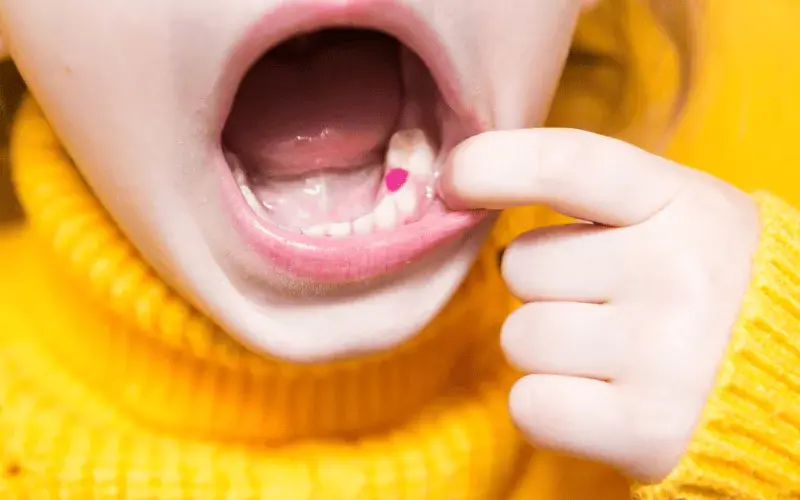
Kids are curious, adventurous, and always on the move. But all that play and exploration can sometimes lead to dental emergencies — a knocked-out tooth or a sudden, painful toothache. As parents, it’s natural to worry when these accidents happen, and the fear of something worse can be overwhelming.
According to the American Dental Association, every year in the U.S., there are an estimated 2 million visits to hospital emergency departments (EDs) due to dental injuries. The good news is that there are simple steps you can take to protect your child and ease your worries.
In this blog, we’ll explore the most common pediatric dental emergencies, how to prevent them, and how you can feel confident and prepared when the unexpected happens.
Common Pediatric Dental Emergencies and How to Prevent Them
1. Knocked-Out Teeth (Avulsed Tooth)
One of the most alarming pediatric dental emergencies is a knocked-out tooth. Kids, especially those who are active in sports or rough play, are at a higher risk of this injury.
It’s important to know that both baby (primary) teeth and permanent teeth can be knocked out, but losing a permanent tooth is particularly serious.
Prevention Tips:
- Mouthguards:
If your child plays sports like soccer, basketball, or hockey, a mouthguard is an absolute must.
This simple yet effective piece of equipment can help protect their teeth from a direct hit or impact.
- Safe Play Areas:
Encourage your child to play in safe environments, away from hard surfaces like concrete or metal. For younger children, consider limiting rough play that can lead to falls or accidents.
- Supervision:
Keep an eye on your child during play, especially during activities where falls or accidents might happen.
2. Toothaches
Toothaches are incredibly common among kids. While they might seem like a minor annoyance, they can be a sign of something more serious, like a cavity, gum disease, or even an abscessed tooth.
A toothache can also be caused by a traumatic injury, like a fall or impact that cracks a tooth.
Prevention Tips:
- Oral Hygiene:
Encourage your child to brush their teeth twice a day and floss regularly. This helps prevent cavities and gum disease, which can cause tooth pain.
- Healthy Snacks:
Limit sugary foods and drinks, which can contribute to tooth decay. Instead, offer healthy snacks like fruits, vegetables, and dairy products to keep their teeth strong.
- Regular Dental Visits:
Regular dental check-ups are key to identifying problems before they become painful.
A pediatric dentist can catch cavities or other dental issues early on, preventing toothaches.
3. Cracked or Chipped Teeth
Cracked or chipped teeth can occur when children are chewing on hard objects (like ice or candy) or after an accident, such as falling while running or biking.
A cracked tooth can be painful and may even lead to infection if left untreated.
Prevention Tips:
- Avoid Hard Foods:
Teach your child not to chew on hard objects like ice, pens, or pencils. These can damage their teeth.
- Safety Gear:
For kids who participate in contact sports or ride bikes and skateboards, helmets, mouthguards, and knee pads can help protect them from falls and impacts that may cause teeth to crack or chip.
- Immediate Action:
If your child does experience a cracked or chipped tooth, rinse their mouth with warm water and see a dentist right away to prevent further damage or infection.
4. Dental Abscesses (Infections)
A dental abscess is a painful infection that can occur around the tooth or gums. It’s usually caused by untreated cavities, cracked teeth, or gum disease.
While it’s more common in older children, younger kids are not immune, especially if their dental hygiene is neglected.
Prevention Tips:
- Proper Brushing:
Encourage your child to brush their teeth properly and regularly. Proper brushing helps prevent cavities, which can lead to infections.
- Diet:
Encourage a balanced diet that’s low in sugary snacks and drinks. A healthy diet helps your child maintain good oral health.
- Dental Visits:
Early visits to the dentist can catch dental abscesses before they cause major problems. Regular check-ups ensure that any infections are treated early.
What To Do During a Pediatric Dental Emergency
No matter how much we prepare, emergencies can still happen. Here’s what to do if you ever find yourself in a situation where your child needs immediate dental care:
For a Knocked-Out Tooth:
- If it’s a permanent tooth:
Handle the tooth by the crown (top part), not the root. If possible, rinse it with water and try to gently place it back into the socket.
If that’s not possible, keep the tooth in a glass of milk or a saltwater solution and head to the dentist immediately.
- If it’s a baby tooth:
Don’t attempt to reinsert it. Instead, contact your dentist for advice on the next steps.
For a Toothache:
- Rinse the mouth:
Use warm water to rinse the affected area and remove any food particles.
- Pain Relief:
You can give your child a dose of over-the-counter pain relievers (based on their age and weight). Never apply aspirin directly to the tooth or gums.
- Cold Compress:
If there’s swelling, applying a cold compress to the outside of the cheek can help reduce pain and swelling.
For a Cracked or Chipped Tooth:
- Rinse the mouth:
Use warm water to clean the mouth and remove any debris.
- Pain Management:
Use a cold compress to reduce swelling, and give pain relief if necessary.
- See the Dentist:
Even if the tooth doesn’t seem to hurt immediately, it’s important to see the dentist as soon as possible to prevent further damage.
Conclusion
Dental emergencies are a reality for many parents, but with the right precautions and knowledge, you can minimize the risks and be ready to act when necessary. Always keep your pediatric dentist’s contact information on hand, and don’t hesitate to reach out for care when needed.
Remember, a little preparation can go a long way toward protecting your child’s smile. No one can predict when a pediatric dental emergency will happen, but being prepared and knowing who to call can help you stay calm in the face of an emergency.
If you’re looking for immediate pediatric dental emergency care in Englewood, Colorado, and want to ensure your child’s dental health and comfort, contact Rocky Mountain Kids Dentistry at (720) 673-9371 to schedule an appointment.
FAQs Related to Pediatric Dental Emergencies
Q 1: How can I tell if my child has a dental emergency?
Any injury involving pain, bleeding, or a visible tooth issue like a crack or looseness can be considered a dental emergency. If your child experiences any of these, it’s important to contact your dentist immediately.
Q 2: My child lost a tooth—what should I do?
If it’s a permanent tooth, try to reinsert it into the socket or place it in milk and see a dentist immediately. If it’s a baby tooth, don’t reinsert it but still contact your dentist.
Q 3: Can a knocked-out tooth grow back?
Unfortunately, once a permanent tooth is lost, it cannot grow back. That’s why it’s so important to act quickly if this happens.

New Patients & Emergency Appointments Welcome!
