
Board-Certified
Pediatric Dentists
When to Take Your Child to a Pediatric Emergency Dentist?


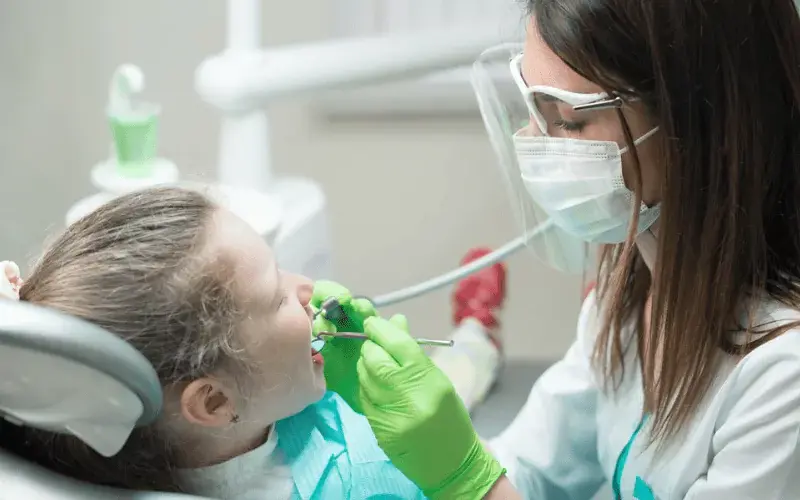
As a parent, ensuring your child’s health and safety is your top priority. When it comes to dental emergencies, knowing when to take your child to a pediatric emergency dentist is crucial.
Children’s dental needs are unique, and sometimes, dental issues arise suddenly and unexpectedly. According to the U.S. Centers for Disease Control and Prevention (CDC), 46% of U.S. children ages 2-19 have untreated or restored dental caries in one or more teeth (2017–2020).
A dental emergency can happen at any time, and how you respond can make all the difference in your child’s recovery and long-term dental health. In this blog, we’ll discuss common signs that indicate it’s time to see a kids emergency dentist and how you can act quickly to ensure your child’s well-being.
Common Signs It’s Time to See a Kids Emergency Dentist
1. Intense Tooth Pain or Toothache
If your child is complaining of severe tooth pain that doesn’t go away, it’s time to visit a pediatric emergency dentist.
A toothache that persists despite over-the-counter remedies could be a sign of a deeper issue, such as an infection or cavity. Don’t wait for the pain to get worse—early treatment can help prevent complications.
2. Knocked-Out Tooth
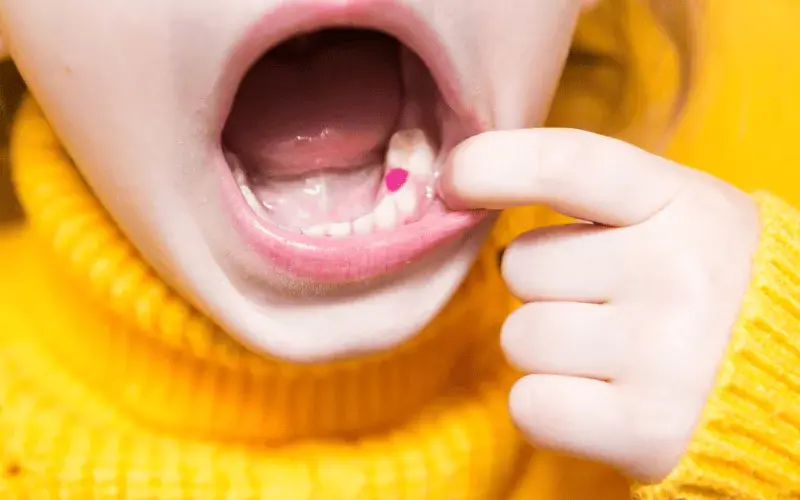
Accidents happen, especially with active kids. If your child loses a tooth due to a fall, sports injury, or other trauma, it’s essential to see a pediatric dentist right away.
If possible, try to preserve the tooth by placing it in milk or saline, and bring it to the dentist as soon as you can. Prompt treatment may allow the dentist to reattach the tooth.
3. Cracked or Broken Tooth
A cracked or broken tooth is another common dental emergency. Whether your child falls while playing or bites down on something too hard, a broken tooth can cause pain and increase the risk of infection.
Get immediate dental attention to prevent further damage and protect the integrity of the tooth.
4. Swollen or Abscessed Gums
Swelling, redness, or an abscess (a painful pus-filled bump) in the gums are signs of infection. An abscessed tooth or gum can cause significant pain and needs to be treated promptly.
An untreated infection can spread, potentially affecting other teeth and even other parts of the body. Emergency dental care is necessary to resolve this issue.
5. Excessive Bleeding
If your child experiences a mouth injury and starts bleeding excessively, it’s time to seek emergency dental care.
Bleeding from the gums, lips, or inside the mouth can indicate serious trauma or injury that requires immediate attention. Quick care can stop the bleeding and ensure proper healing.
6. Dislodged or Loose Tooth in a Younger Child
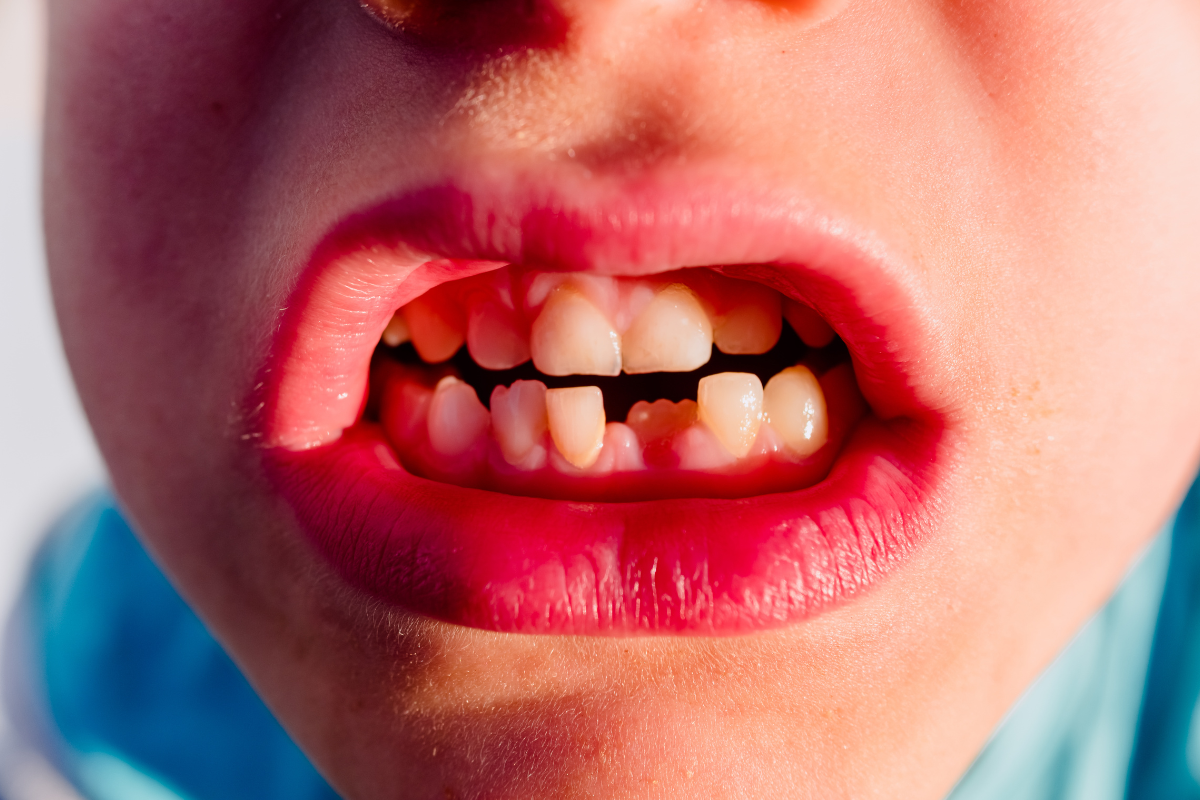
In children under the age of 6 or 7, teeth should generally not be loose unless they are about to fall out naturally. A loose tooth due to trauma or injury should be assessed by a kids emergency dentist to ensure no other damage has occurred and that the surrounding teeth remain healthy.
If you notice any of these common signs, it’s important to seek prompt care from a pediatric emergency dentist. Early intervention can prevent further complications and help maintain your child’s dental health.
Why Choose a Pediatric Emergency Dentist?
Pediatric dentists are specially trained to care for the unique needs of children, from their developing teeth to their emotional needs.
When your child experiences a dental emergency, it’s vital to see a pediatric dentist because:
1. Specialized Training
Pediatric dentists undergo additional training to treat young patients, which includes managing children’s anxiety and ensuring comfort during treatment.
This expertise allows them to handle dental emergencies more effectively.
2. Child-Friendly Environment
Pediatric dental offices are designed to make children feel comfortable and at ease.
With colorful decor, friendly staff, and an inviting atmosphere, kids are less likely to feel anxious or scared about visiting the dentist.
3. Focus on Prevention
Pediatric dentists also focus on preventive care. Beyond treating dental emergencies, they educate parents and children on how to maintain good oral hygiene and avoid future dental problems.
4. Immediate, Compassionate Care
When you visit a kids emergency dentist, you’ll receive prompt and compassionate care.
Pediatric dentists understand that dental emergencies can be frightening for both parents and children, and they take extra care to ensure the child feels safe and supported throughout their visit.
When to Call a Kids Emergency Dentist
Getting help quickly can make a difference in how your child recovers and how much pain they experience.
Emergency dental care may involve same-day appointments, treatment to reduce pain, and follow-up care to ensure the best outcomes.
Conclusion
Dental emergencies can be scary, but knowing when to seek help from a kids emergency dentist can make all the difference. Whether your child experiences a severe toothache, a knocked-out tooth, or a broken tooth, timely treatment can prevent further issues and relieve pain.
If you’re in Englewood, CA, and need a kids emergency dentist Englewood, contact us today at 720.673.9371 for prompt, compassionate care. Our team at Rocky Mountain Kid Dentistry is ready to help restore your child’s smile and dental health.
Don’t wait—emergency dental care is just a call away!
FAQs About Pediatric Emergency Dental Care
Q1: What should I do if my child knocks out a permanent tooth?
If your child knocks out a permanent tooth, keep it moist by placing it in a glass of milk or saline. Visit the dentist immediately, as the tooth may be able to be reattached if treated promptly.
Q2: Should I wait to see a dentist if my child has a loose tooth from an injury?
If your child’s tooth is loose due to trauma, don’t wait. A pediatric dentist will evaluate the injury to prevent damage to the surrounding teeth and ensure proper healing.
Q3: How do I prepare my child for a visit to the pediatric dentist?
It’s important to talk to your child about the visit. Reassure them that the dentist is there to help and make sure they are comfortable. Explain what to expect and use positive language to make the experience less intimidating.
Q4: Can I reinsert my child’s knocked-out tooth?
It’s not recommended to reinsert the tooth yourself, as improper handling can cause more damage. Instead, keep the tooth moist in milk or saline and see a dentist immediately for reattachment.
Q5: My child has severe tooth pain after an injury. Should I wait to see if it improves?
No, don’t wait. Severe pain may indicate a serious injury, like a fracture or infection. Prompt dental care is essential to prevent complications and provide relief.

New Patients & Emergency Appointments Welcome!
